Ask most folks about Uluru and you’ll hear something about its size, its colour at sunset, or maybe the climb that was finally shut down (thankfully). But for many Australians — and particularly for the Anangu people — Uluru isn’t just a geological wonder. It’s a sacred place, central to cultural traditions, spiritual significance, and ancient creation stories passed down over tens of thousands of years.
So, who considers Uluru sacred? The answer might be broader than you think.
Whether you’re planning a 2 day Uluru tour or just doing some armchair dreaming, let’s unpack who holds Uluru close to heart, and how you can visit with awareness, respect, and that all-important sense of context.
Country, Culture, and Kinship
First and foremost, Uluru is sacred to the Anangu (pronounced ARN-ung-oo) people, the Traditional Owners of the land. Their connection to the rock isn’t metaphorical or symbolic — it’s part of their identity.
Why is Uluru sacred to the Anangu?
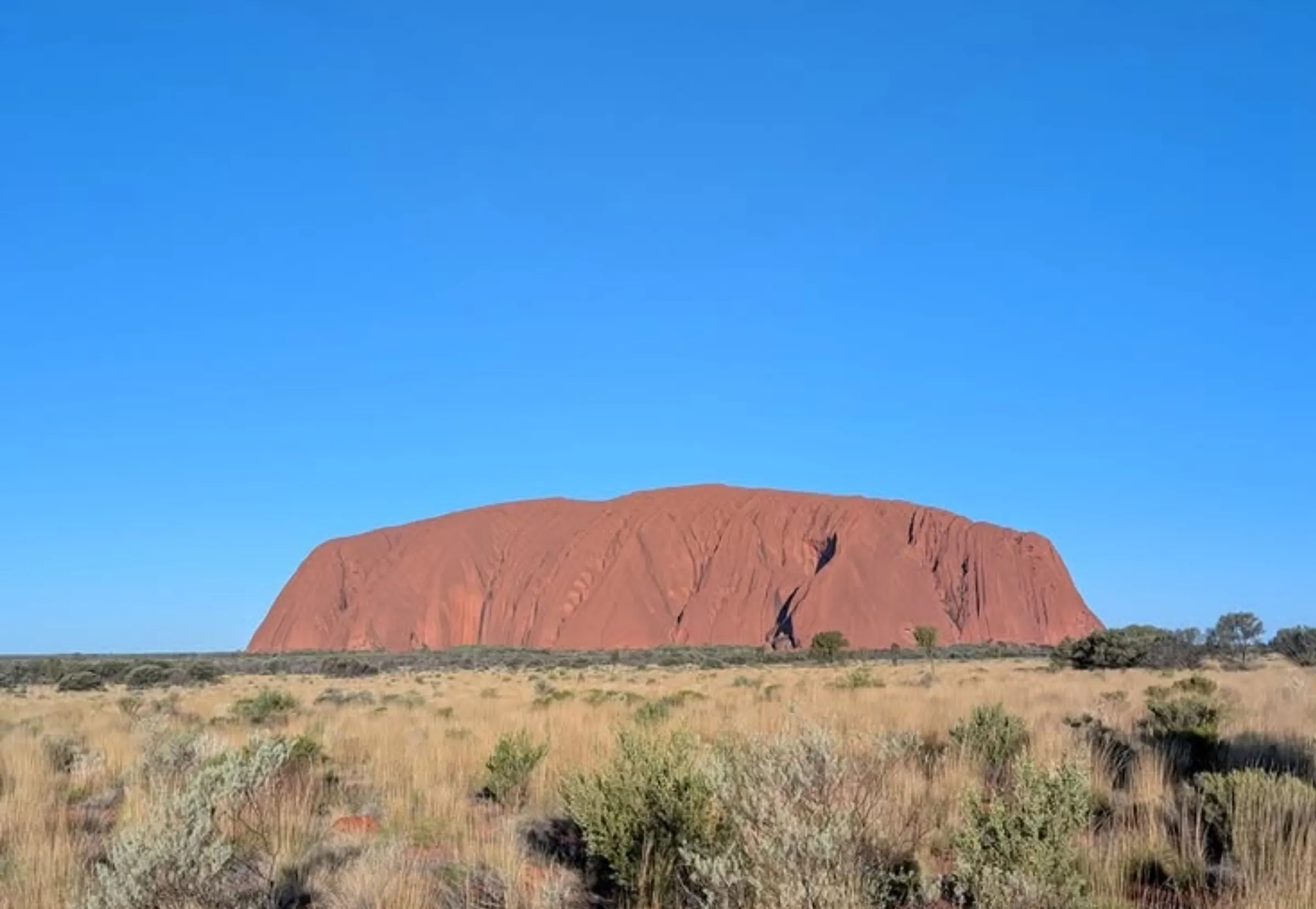
- Creation stories (Tjukurpa): Uluru is a living part of the Tjukurpa — the creation period when ancestral beings shaped the world. These aren’t just myths; they’re the laws, ethics and origins of the land and its people. This is the foundation of their ancient tradition and spiritual worldview.
- Spiritual significance: Some sites around the rock are tied to specific ancestors and stories. These are gender specific and can only be visited or discussed by initiated people.
- Cultural responsibilities: As custodians the Anangu have responsibilities passed down through generations. This includes protecting the rock and teaching others how to behave on Country. Their connection is a deep form of cultural heritage, rooted in Indigenous culture and tradition.
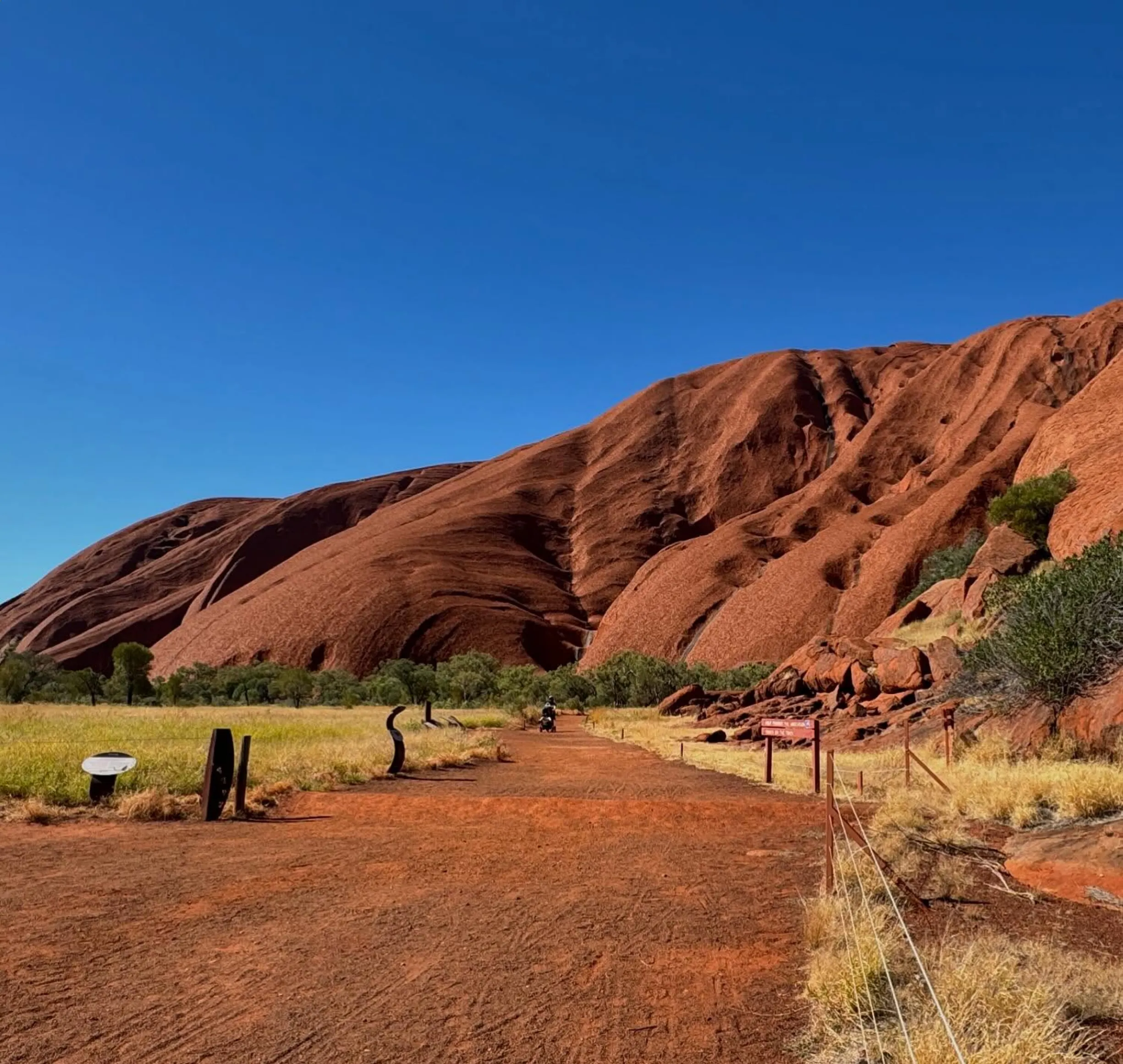
When I joined a ranger led walk at the base I was surprised by how many places we weren’t allowed to take photos. Not because they were dangerous or fragile — but because they were sacred. It’s a form of cultural copyright and it deserves the same weight as any law.
Sacred to Many
While the Anangu have the deepest connection, they’re not the only ones who see Uluru as sacred. Many other Aboriginal groups across Australia see Uluru as a place of spiritual power. These cultural connections span regions and lineages and tie into the broader tapestry of Indigenous people and their Dreaming.
And for the rest of us? It may not be our Dreaming but that doesn’t mean we can’t acknowledge its significance.
Non-Indigenous perspectives
- Respect for cultural heritage: Many Australians see Uluru as a national symbol not just of natural beauty but of enduring culture.
- Spiritual tourism: Some visitors talk of feeling a powerful energy or emotional resonance when they visit. That’s not something you can measure with a drone shot.
If you’re doing an Alice Springs Uluru tour make sure you leave space for silence when you’re at the rock. Listen. Look. You may not hear ancestral beings but you’ll likely feel the weight of a place that’s been sacred for over 60,000 years.
Physical Features Tied to Sacred Meaning
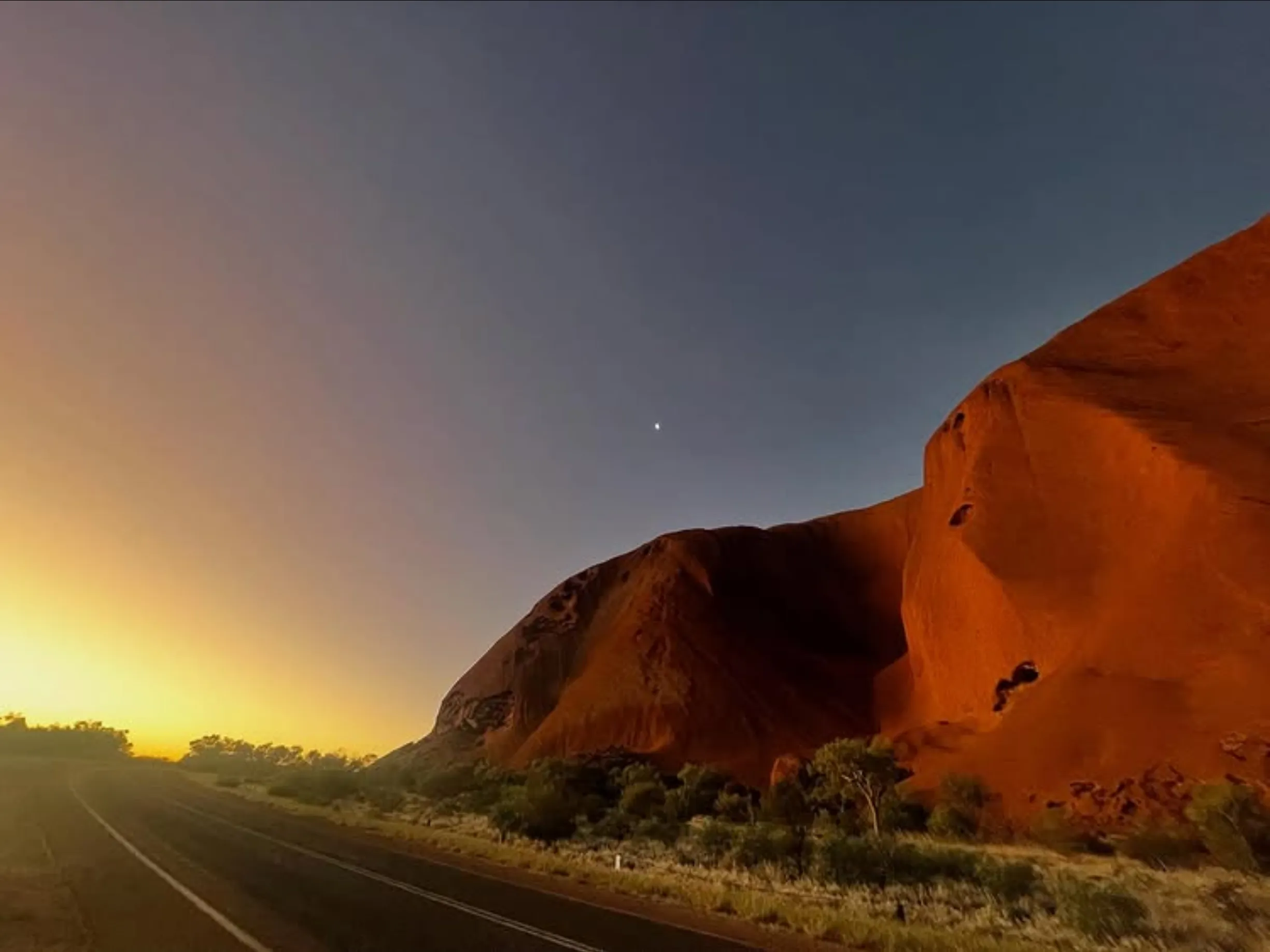
You might be wondering how something made of sandstone can hold so much cultural significance. It’s in the shape, the features, and the stories carved into every ridge.
- Rock art sites: There are several caves at the base of Uluru where you can see ancient art that tells pieces of the Anangu story. These aren’t decorative; they’re instructional and hold special significance.
- Endemic plants and animals: Certain flora around the base are used in ceremonies or bush medicine. It’s not just sand and scrub — it’s a living pharmacy and a vital part of the ecosystem.
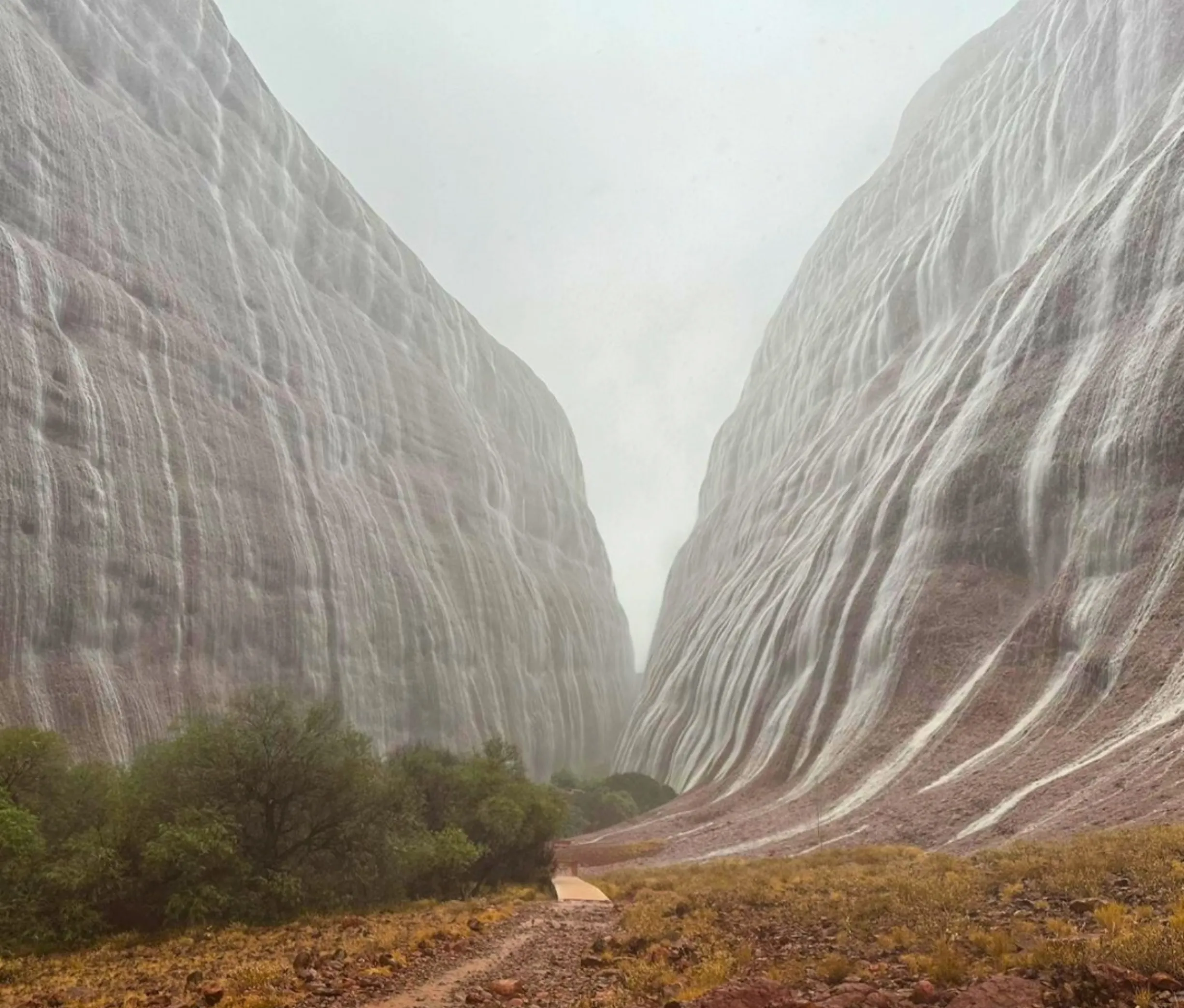
- Mud after rain: When heavy rain hits Uluru, the water streams down its face, turning dry gorges into temporary waterfalls. The Anangu interpret this as the rock “weeping” — a deeply spiritual event linked to the creation period.
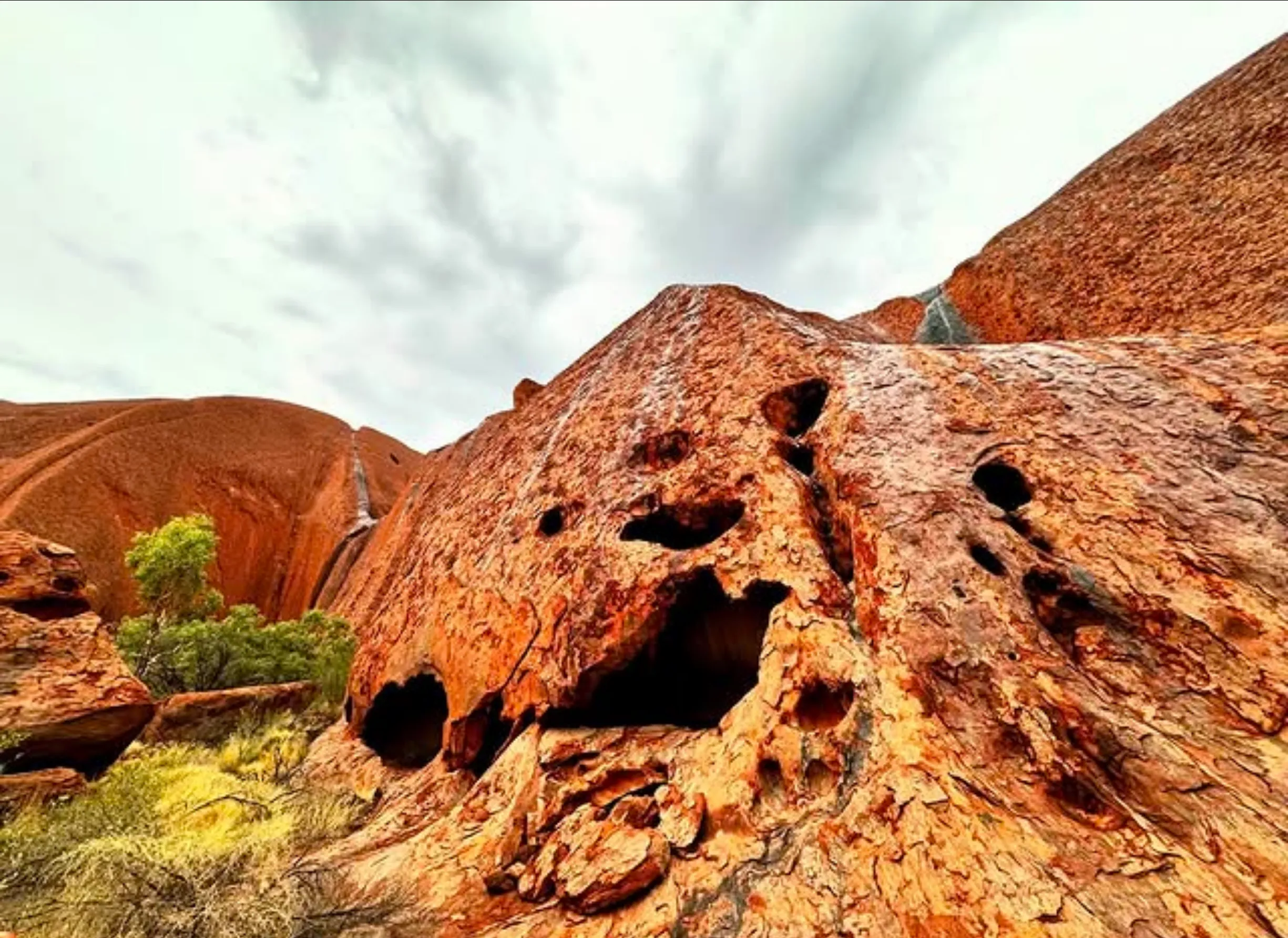
- Rock type and forms of people: The rock type itself — arkosic sandstone — has weathered into shapes that evoke human and ancestral forms. These shapes are read as beings involved in the Tjukurpa.
Uluru was originally sand deposited around 550 million years ago. Today, it stands as a living testament to both geological history and sacred story.
Leadership Behind the Parks
Since 1985, Uluru-Kata Tjuta National Park has been jointly managed by the Anangu and Parks Australia. This means decision-making about the site is guided by cultural knowledge as well as environmental science.
What does the Board do?
- Oversees visitor education, access, and conservation in this nationally significant tourist facility
- Protects rock art sites and sensitive ecological zones with deep cultural significance
- Ensures tour operators (like Wildlife Tours and others) follow cultural protocols
When I first visited Uluru, I was surprised by how many signs didn’t just say “no entry,” but explained why. That shift towards storytelling, rather than restriction, has helped thousands of tourists understand the rock’s cultural significance.
Tips for Travellers
If you’re planning Uluru tour, you’re already doing something right: you’re curious. Now let’s turn that curiosity into cultural respect.
Do:
- Join a cultural tour: Many tours (like Wayoutback Tours or Wildlife Tours) include Anangu guides who share stories firsthand.
- Stay on track: Some areas are off-limits for cultural reasons. Respect the signage.
- Ask before snapping: Some parts of the rock shouldn’t be photographed.
Don’t:
- Climb the rock: It was officially closed in 2019, but even before that, the Anangu asked visitors not to.
- Ignore the weather: The Top End sun is no joke. Pack water, sun protection, and be wary of heat exhaustion.
If you’re short on time, Uluru day tours from Yulara still offer a great intro. These shorter trips can be surprisingly rich, especially if you’re tight on time but want to soak up the spiritual feel of the rock.
Alternatively, a 2-day Uluru tour gives you more breathing room to explore both Uluru and Kata Tjuta, with the added benefit of watching sunrise and sunset paint the desert in gold.
Seasons, Rain, and the Magic of the Dry
Uluru transforms with the seasons. Here’s what to expect:
The Dry (May to September)
- Cooler temps for hiking
- Clear skies for stargazing
- Popular time for Uluru tours — book ahead
During the dry, an Uluru tour often includes ranger talks, starry skies, and walks that let you really get to know the terrain.
The Wet (October to March)
- Hot, humid days (temps often hit 40°C)
- Chance of seeing waterfalls on the rock
- Fewer crowds, but be wary of heatstroke
On one visit during the wet, I saw rain cascade off the western face like silver ribbons. Mud squelched underfoot, and green burst from red soil overnight. If you can hack the heat, it’s unforgettable.
Nearby Wonders: Extend Your Journey
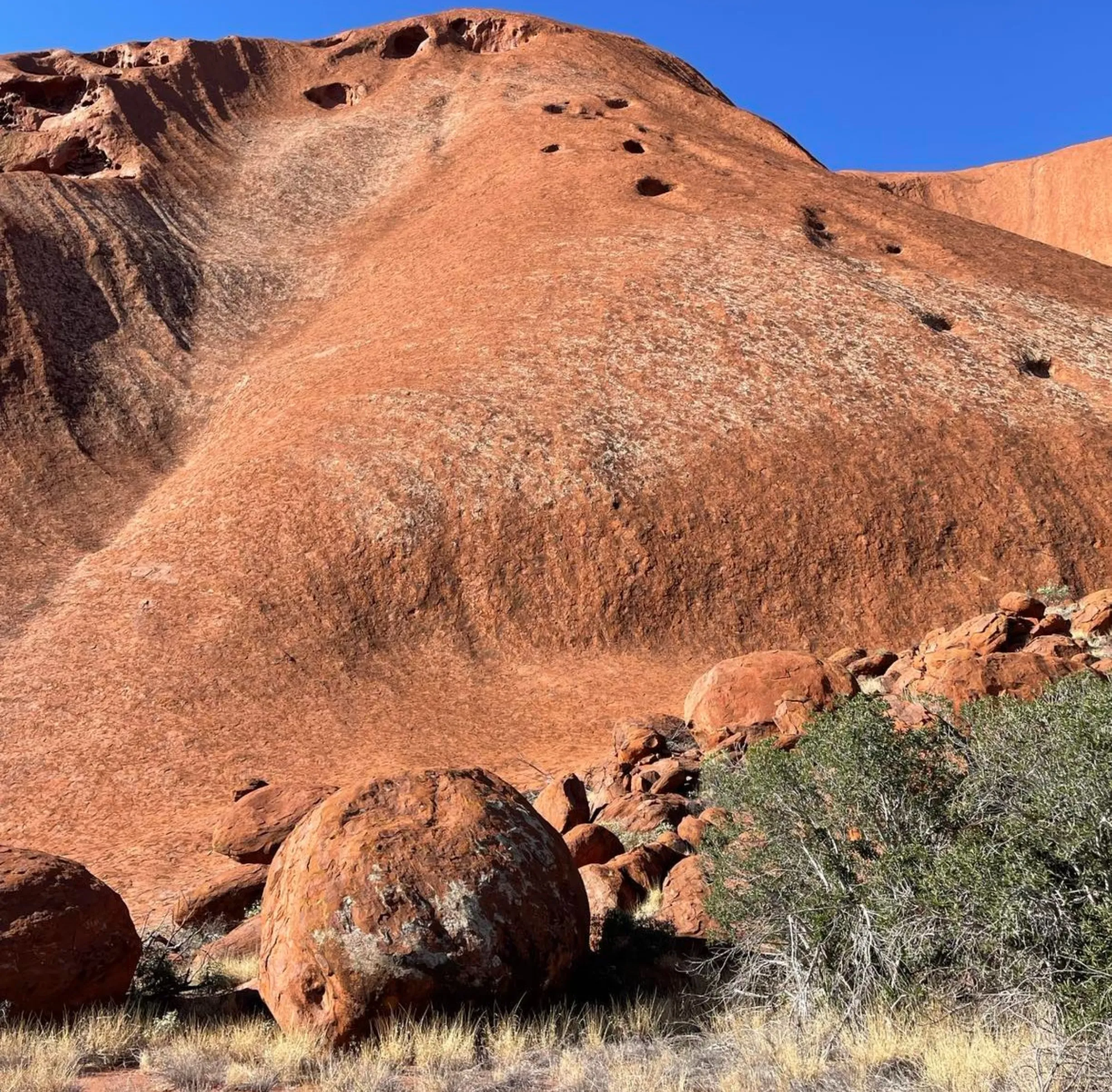
Don’t just tick the rock and run. Make a trip of it. Here are a few add-ons:
- Kata Tjuta (The Olgas): Equally sacred and stunning. Just 50km from Uluru, with great walks like Valley of the Winds. Wayoutback Tours runs guided day hikes here that tie the story of the Olgas back to the Dreaming.
- Kings Canyon: Towering red cliffs, lush creeks, and epic rim walks. Wildlife Tours includes this spot on their Red Centre loops.
- Alice Springs: The launch pad for many an Alice Springs Uluru tour. Visit Desert Park or stroll through Todd Mall for local art. You’ll also find departure points for Autopia Tours packages here.
Autopia Tours offers multi-day options that include these spots — worth it if you want context, not just photo ops.
Final Thoughts: Sacred Means Something
Uluru isn’t just beautiful. It’s meaningful. And that meaning comes from deep, ongoing cultural connections — not just the forms of people carved into the stone or the fact that it was originally sand millions of years ago.
When we visit, we’re not just travellers. We’re guests on someone else’s Country.
So ask questions. Listen to stories. Step lightly.
And if you’ve got your own tip from a recent visit, drop it in the comments — I’m always updating my maps.
Curious about our eco-tours? Check out the routes we run through Central Australia and learn how we walk gently on Country.