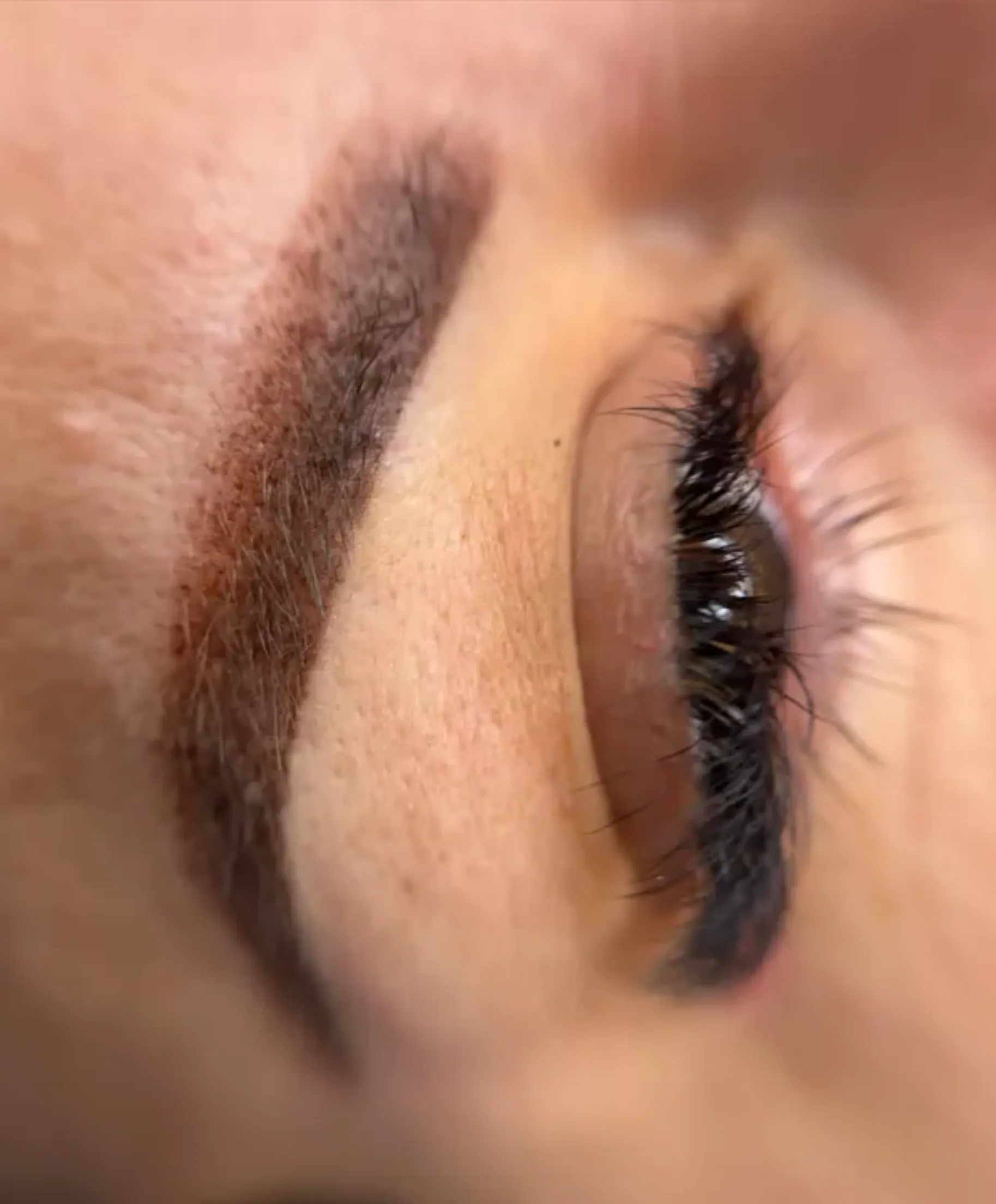
So you’re scrolling through course options and wondering, “How many hours of hands-on training are included?” — you’re not alone. It’s one of the most common questions we get from new and experienced beauty professionals alike. And rightly so. In an industry that involves needles, skin, pigments and permanent results on a living face, you want to be sure you’re not just told how to tattoo — but actually taught through doing.
In this post we’re breaking down what hands-on training really means in 2025, how many hours you should expect from a quality cosmetic tattoo course and why those numbers matter more than ever. Whether you’re looking to become a cosmetic tattoo artist or just want to add some extra salon time to your skills, let’s get into it.
What You’re Actually Signing Up For
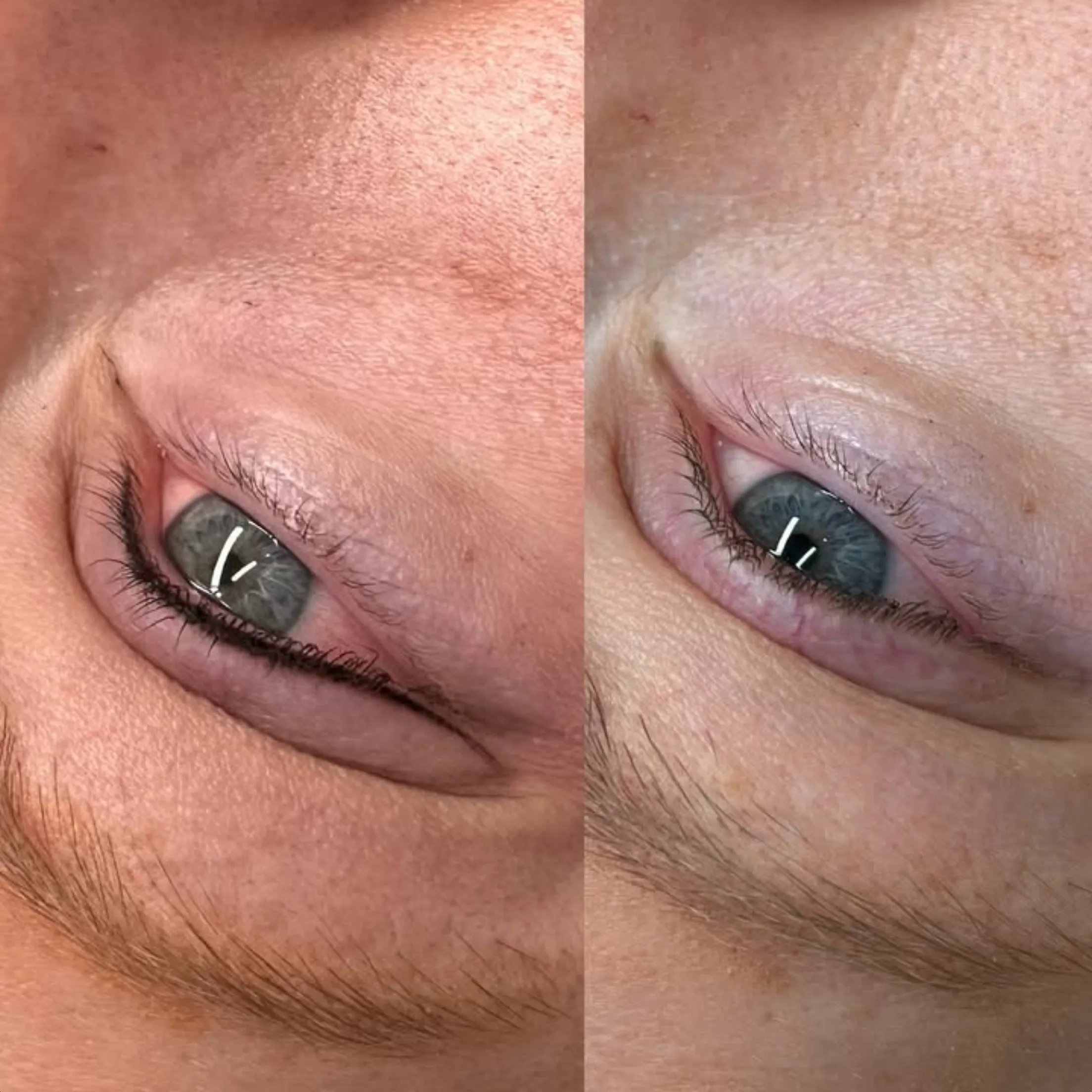
Hands-on doesn’t mean holding a dummy head while someone else tattoos. It means you, holding the machine, tattooing real skin, under professional supervision. And that supervision? It should be up close, corrective and constructive — not someone glancing over your shoulder while juggling five other students.
At Cosmetic Tattoo Melbourne Studio Face Figurati, hands-on means just that — your hands, real skin, real time, with an experienced trainer by your side.
Hands-on learning includes:
- Live model sessions (on real clients or training volunteers)
- Pre-draw and mapping practice on different face shapes and skin tones
- Machine or manual technique practice using pigments and needles
- Aftercare protocols and post-procedure assessments
- Trainer feedback in real time
- Exposure to a hands-on environment that mirrors the Australian workplace
It’s about developing real practical skills in real scenarios. Some reputable courses also include practice on latex and synthetic skin before working on people, which is essential for beginners and part of a well-rounded training plan.
How Many Hours Do You Really Need?
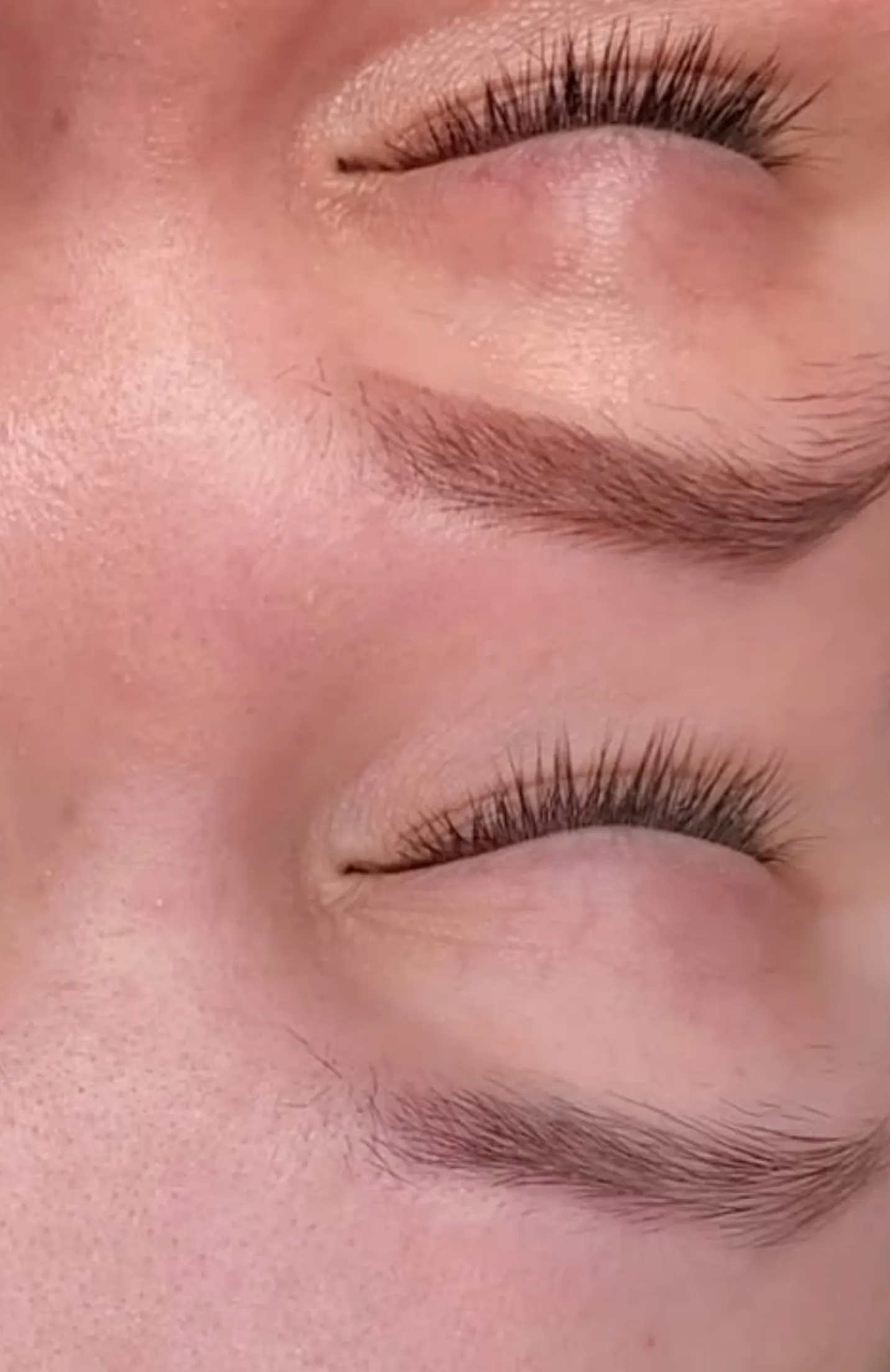
Let’s get to the point. For a beginner-level course (like a fundamentals or introductory cosmetic tattoo course) you should expect at least 30 to 50 hours of hands-on training. Advanced courses? You want a minimum of 15 to 20 hours, depending on the technique (think cosmetic tattooing lips, ombré brows, nano strokes etc).
Here’s a breakdown of what that looks like:
| Course Type | Total Course Hours | Hands-On Training (Live Models + Practice) | Latex Practice Included? |
|---|---|---|---|
| Beginner/Fundamentals | 80–120 hrs | 30–50 hrs | Yes |
| Advanced Brow | 30–40 hrs | 15–20 hrs | Often |
| Lip Blush Masterclass | 25–30 hrs | 12–15 hrs | Usually |
| Eyeliner Tattoo Course | 20–30 hrs | 10–12 hrs | Yes |
More hours don’t always mean better, but more class time, study time and hands-on learning can make a huge difference. Quality over quantity is key especially when matching content to your learning style.
Why Hands-On Hours Matter
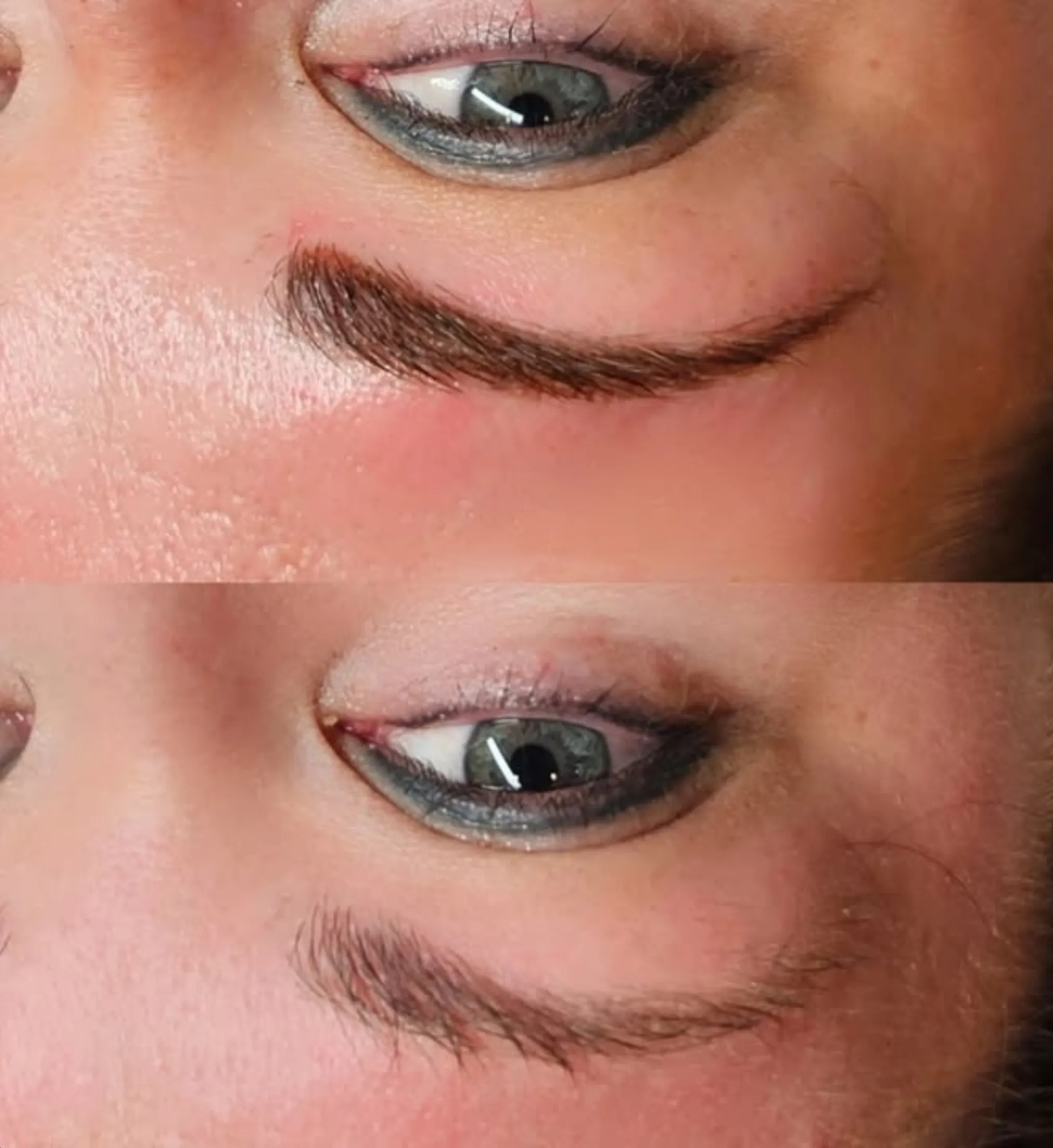
You can’t learn to tattoo a face by watching someone else do it. And no certificate is worth the paper it’s printed on if you’re not confident walking into a treatment room. Hands-on hours give you:
- Muscle memory — your hands learn how to move, stretch and control pressure
- Technique adjustment — trainers can correct grip, angle, pigment depth
- Real skin experience — because latex doesn’t swell, bleed or heal
- Client communication practice — managing nerves, setting expectations, explaining aftercare
- Feedback that actually sticks — because you’re getting corrected in the moment, not days later
- The application of skills in a structured, supportive environment
At Cosmetic Tattoo Melbourne Studio Face Figurati we’ve seen how direct, hands-on training turns a student from unsure beginner to confident cosmetic tattoo artist.
These hours are what separate a theory-heavy crash course from basic training with real outcomes. Think of it like driving: you wouldn’t trust someone on the road who’d only passed the written test.
The Shift in Australia’s Training Rules
As the education industry continues to professionalise — especially around cosmetic tattooing — we’re seeing stronger standards across training bodies and RTOs (Registered Training Organisations). In 2025 it’s no longer acceptable to offer a 2 day course with one model and call it “industry ready”.
Thanks to increased regulation around infection control, licensing and pigment safety good training providers now:
- Build infection prevention and hygiene protocols into every practical module
- Require multiple live models per student (ideally 3+)
- Emphasise aftercare and follow-up consultations as part of the hands-on assessment
- Include trainer demonstration hours before you pick up the tool
- Focus on apprenticeship courses that integrate direct experience with expert guidance
And clients? They’re more informed than ever. They want artists with proper insurance, a licence and real-world skills — not just a certificate from a one-size-fits-all course.
What to Ask Before You Sign Up
Here’s a little checklist I give anyone who messages me asking how to choose a solid course:
- How many hours of hands-on training are included? (Look for at least 30 for beginners)
- How many live models will I work on? (You want a minimum 2–3)
- Will I be supervised while tattooing, or left to figure it out?
- What’s the student-to-trainer ratio? (Smaller is better)
- Do I get photos of my work for my portfolio?
- What happens if I don’t feel confident after the course? (Some offer extra support or refresher days)
- Is there ongoing mentorship or support?
- Are there flexible study options or blended delivery models like online learning?
- Do you provide access to all learning materials during and after the course?
- Do you recognise different learning styles and provide aid skills or tools to suit them?
If they dance around those questions, it’s a red flag.
Final Thoughts
If you’re serious about becoming a cosmetic tattoo artist in 2025, then hands-on hours aren’t optional — they’re essential. Ask the hard questions. Do the extra research. Because when you’re holding a tattoo machine to someone’s face, you’ll want more than theory and good intentions behind you.
Want help reviewing a course syllabus or comparing hours of study? Shoot me a message — I’m happy to give it a once-over before you commit.
Choosing a program with solid practical training, proper learning spaces and a clear training period will make all the difference in your confidence and safety as an artist. At Cosmetic Tattoo Melbourne Studio Face Figurati, we prioritise small class sizes, quality trainers and real-time learning so our students graduate industry-ready.
FAQ
Is latex skin enough to learn cosmetic tattooing?
No. Latex is a great starting point but it doesn’t bleed, swell or heal. You need real skin to learn pressure control and skin response.
What’s better: a short intense course or a longer one with more hands-on hours?
If you’re a beginner go for more hours. Skills take time and rushing rarely ends well in this industry.
Can I get insurance without hands-on model hours?
Most insurers want proof you’ve trained on live models under supervision. Otherwise they may decline coverage.
Do I need a licence to work after training?
Yes, in most Australian states you’ll need a personal licence and a licensed premises. Requirements vary by state. A certificate of competency is usually required.
What if I only worked on one model during training — should I redo the course?
Possibly. At the very least seek out mentorship or model days to build your confidence and portfolio before taking on clients solo. You can also join industry groups or associations with membership benefits to access continued education and mentorship.