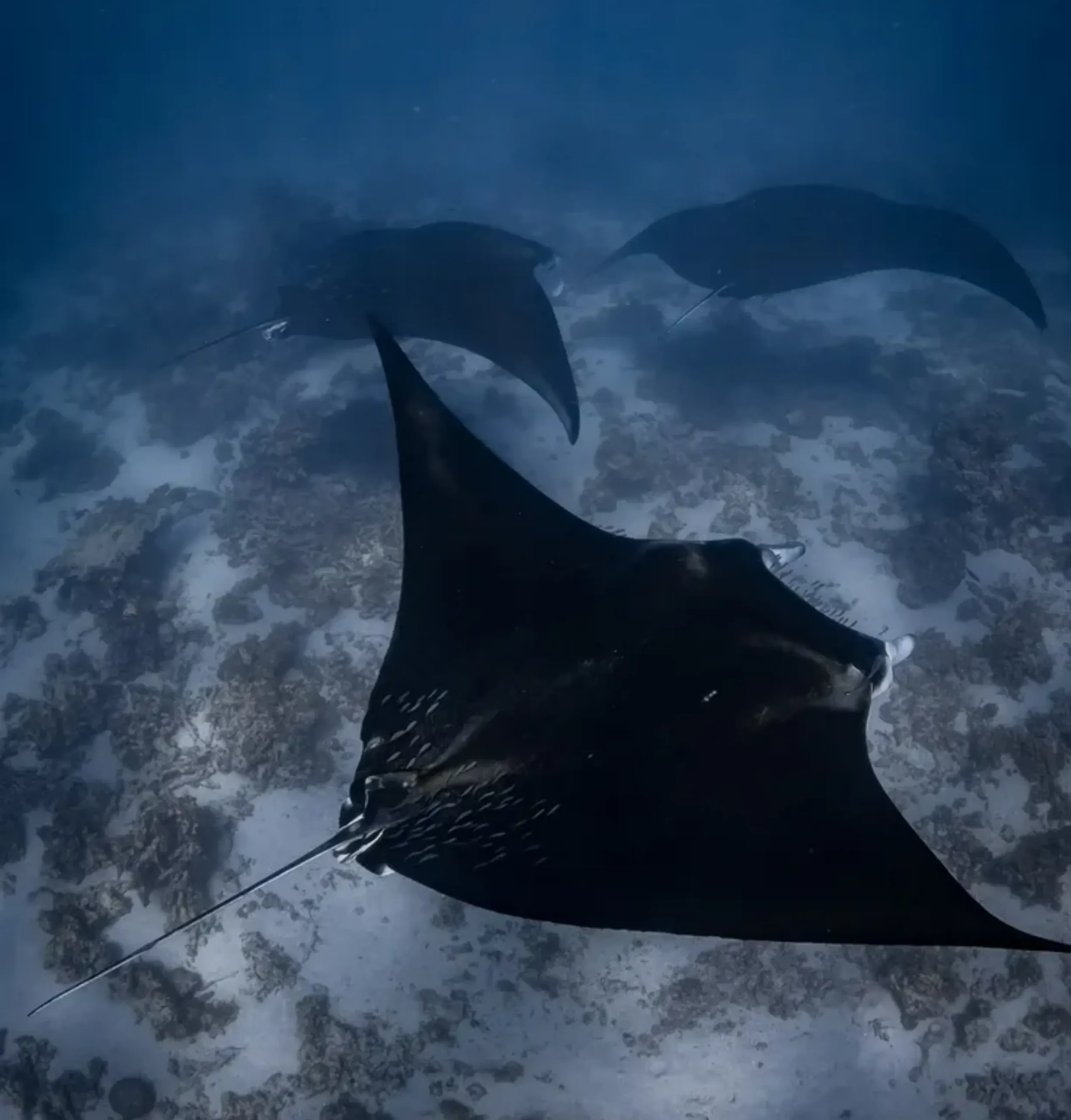
What are the chances of seeing a shark while snorkelling the reef? To be honest, you might catch a glimpse of one, but it’s not something you’ll ever really expect to see – and even then, it’s probably just a quick glance, and then it’s over. I’ve spent years running reef trips, and I can tell you that most people are just too busy soaking up the experience of being surrounded by all this incredible wildlife safari in Australia to even notice if a shark glides past – and that’s if they even spot one.
You’re not heading out to some dodgy, unmanaged piece of ocean either. You’re snorkelling the Great Barrier Reef in a marine park that’s run in tandem with the Parks & Wildlife Service – that’s a tightly managed system with protected Green Zones and a host of safety rules in place, and it’s one of the most studied marine environments on the planet.
What It Actually Feels Like While You’re In The Water
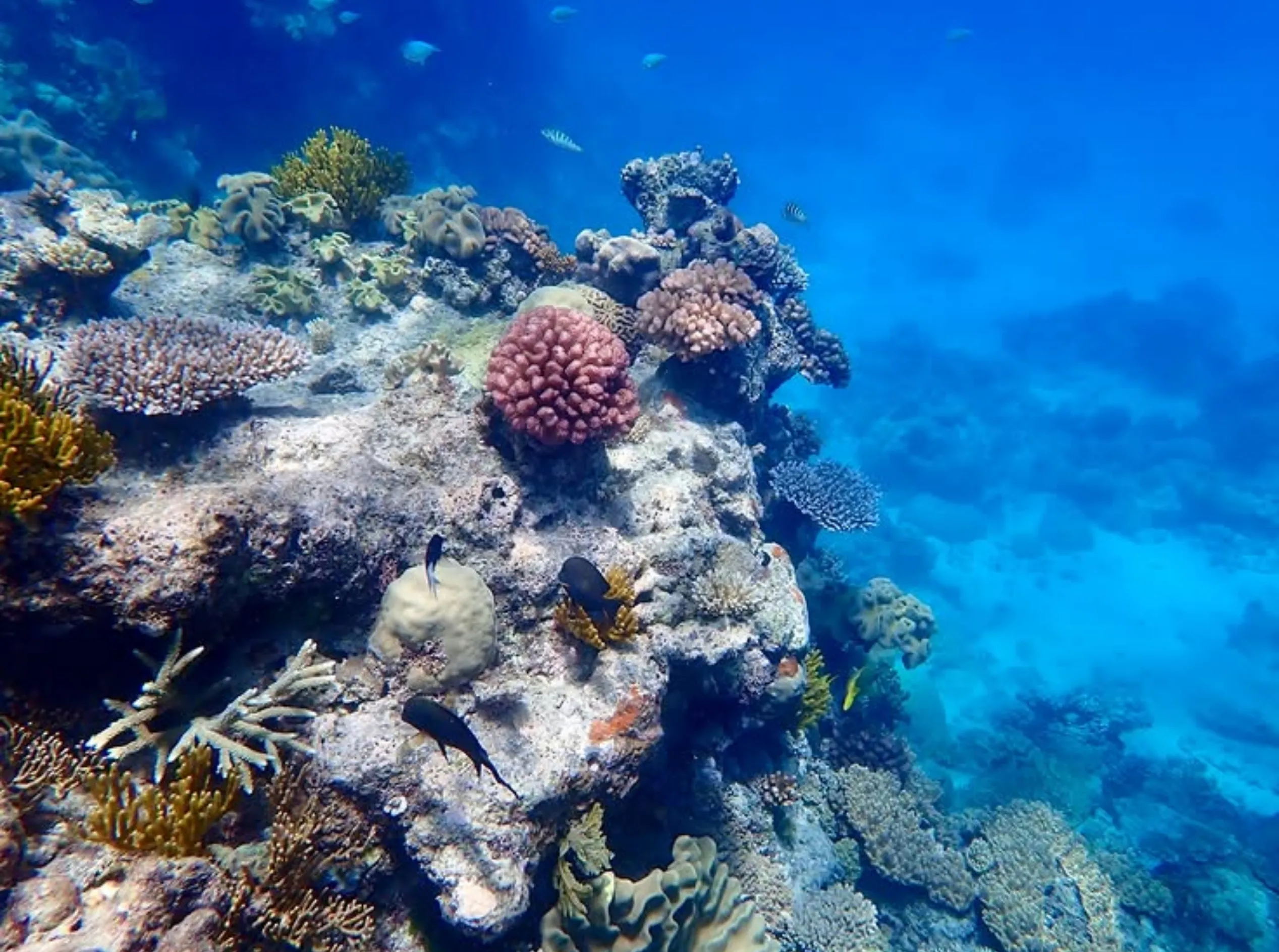
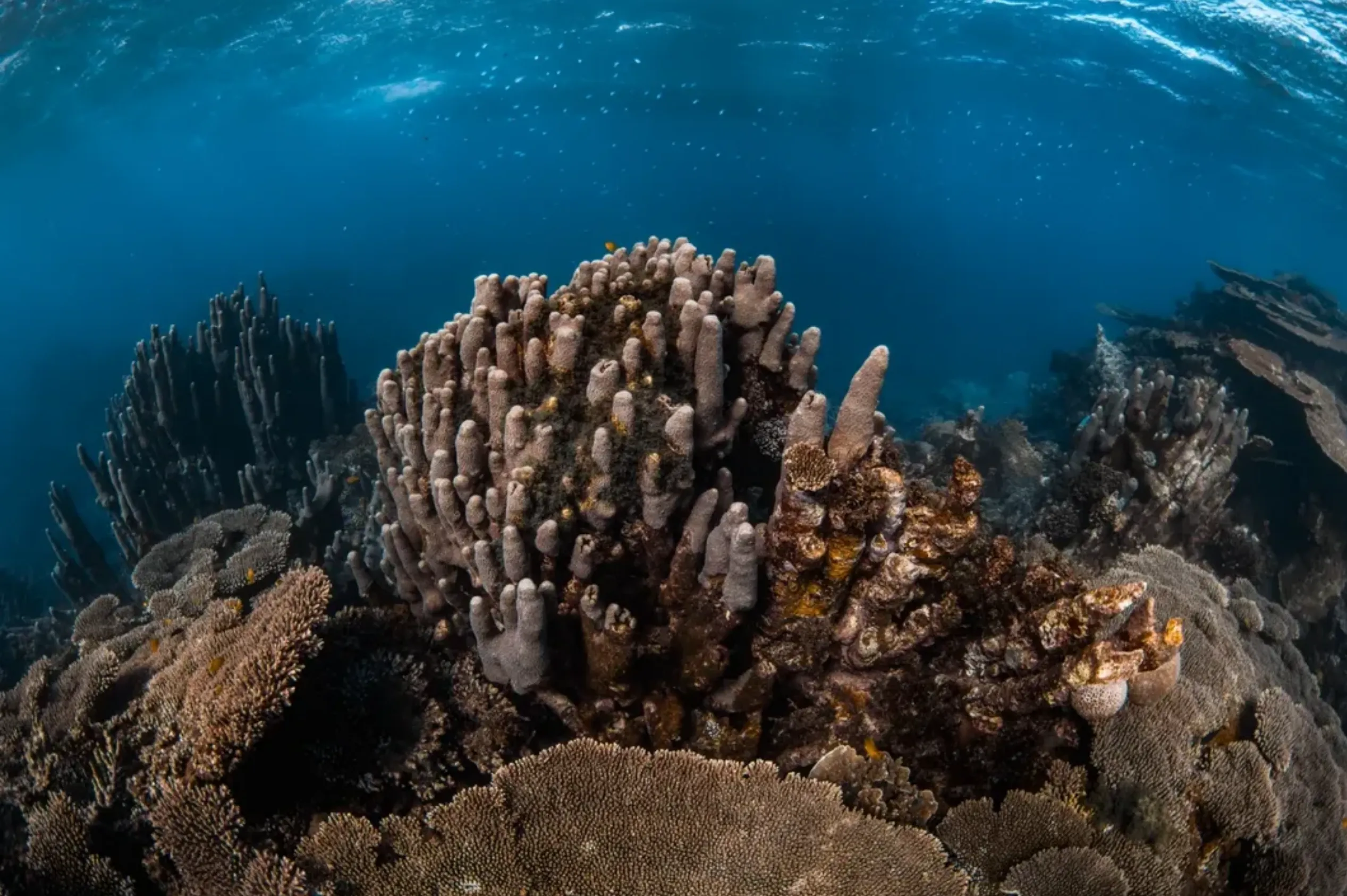
The moment you float face down and just take a deep breath, the whole atmosphere changes. Noise just disappears, your breathing slows, and suddenly you’re hovering above a living coral reef that’s teeming with life.
You’ll find yourself drifting above coral gardens, watching fish darting in and out of the coral formations and spotting all sorts of coral critters going about their daily business. Most people get so caught up in the wildlife experience that the thought of sharks just disappears pretty quickly.
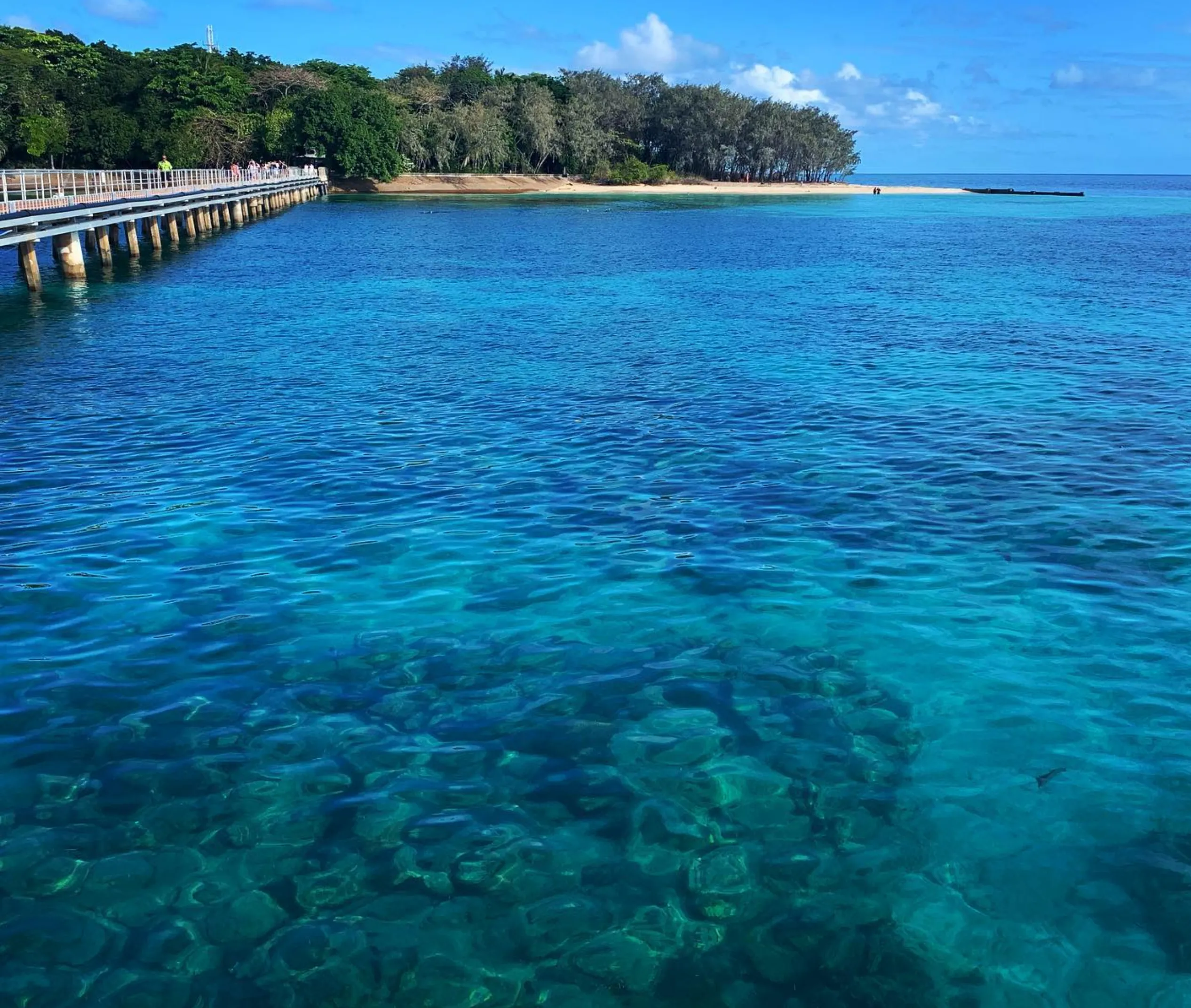
Whether you’re out with Wildlife Tours, on a sailing catamaran, or stepping off a semi-submersible vessel, the sites are always chosen for the calmest conditions, the best visibility, and the safest access. No operator is going to drop you in some dodgy zone – that’s bad for business and even worse for their reputation.
Breaking Down The Real Likelihood Of An Encounter
Let’s get real for a second.
Shark incidents are so rare in Australia to begin with, and snorkelling barely figures in those numbers. Most of the incidents that do occur involve surfers or spearfishermen, not people just floating calmly over a reef.
So how does it play out in real life?
| Situation | Likelihood | What It Means |
| Spotting any shark | Low | Possible, not typical |
| Seeing reef sharks | Occasional | Harmless, short-lived |
| Dangerous interaction | Extremely rare | Almost unheard of |
| Injury while snorkelling | Near zero | Statistically negligible |
Millions of people visit the Great Barrier Reef each year. Most never see a shark. Those who do usually come back talking about it like spotting a dolphin — surprising, but not scary.
The Types Of Sharks You Might See
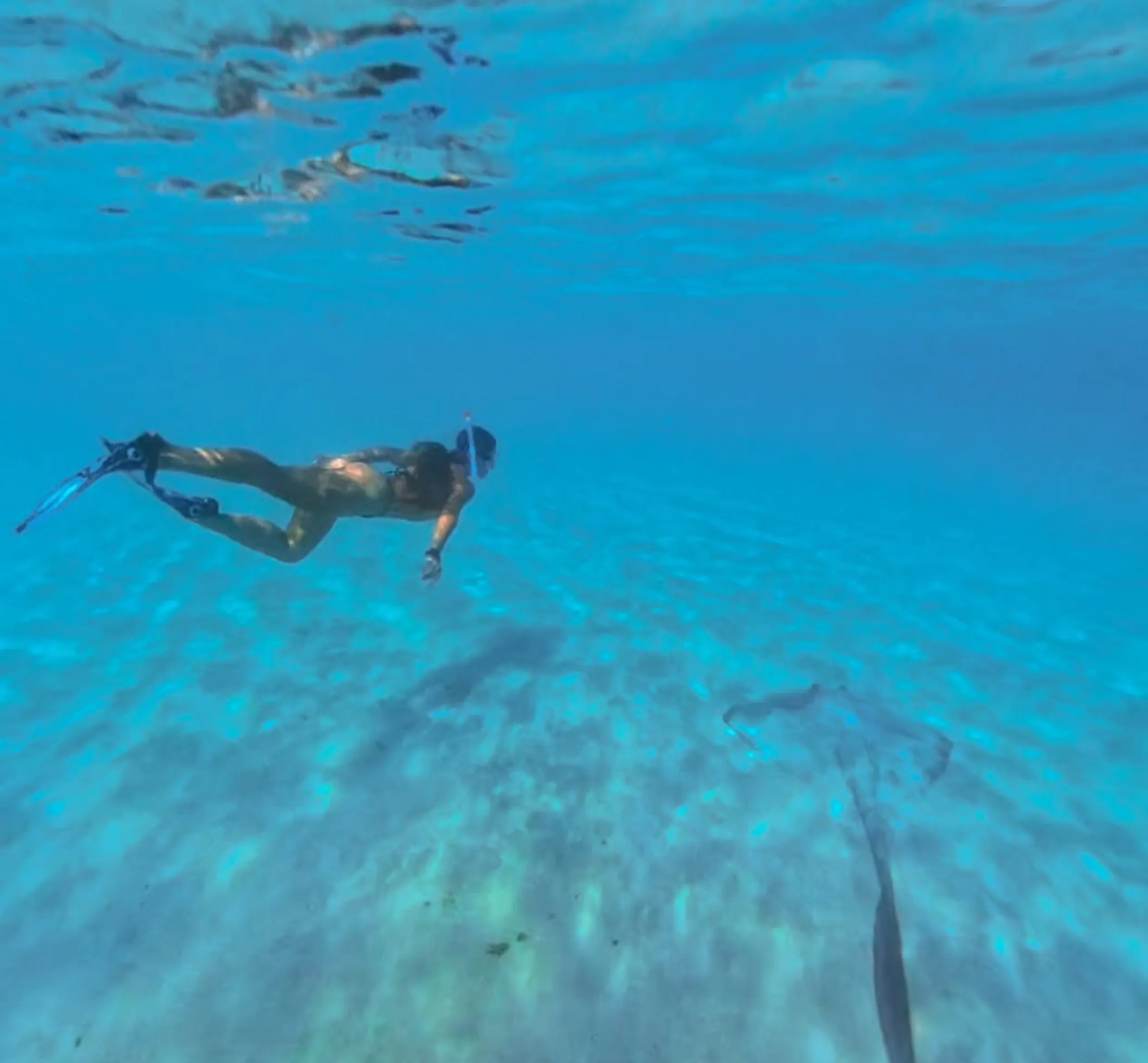
If a shark does appear, it’s almost always a reef species.
Blacktip and whitetip reef sharks are the usual suspects. They’re small, generally under 1.5 metres, and part of the natural marine life balance. They’re not interested in humans, and they tend to avoid noise and movement.
I’ve watched snorkellers float right above one without realising. That’s how subtle these encounters can be.
Larger species — the ones people worry about — are typically found in deeper water, away from standard snorkelling sites used by reef tour operators. Those areas aren’t where beginner snorkellers go.
Timing, Location, And What Slightly Changes The Odds
If you’re wondering whether timing matters, it does, but not dramatically.
Early morning trips or quieter sections south of the island can slightly increase your chances of spotting marine life in general, including sharks. But even then, sightings remain uncommon.
Midday trips in busy areas? Even less likely.
Most operators stick to well-known sites within protected zones, where conditions are predictable, and risk is minimal. These areas support biodiverse ecosystems without putting swimmers in harm’s way.
The First Time I Saw One Out There
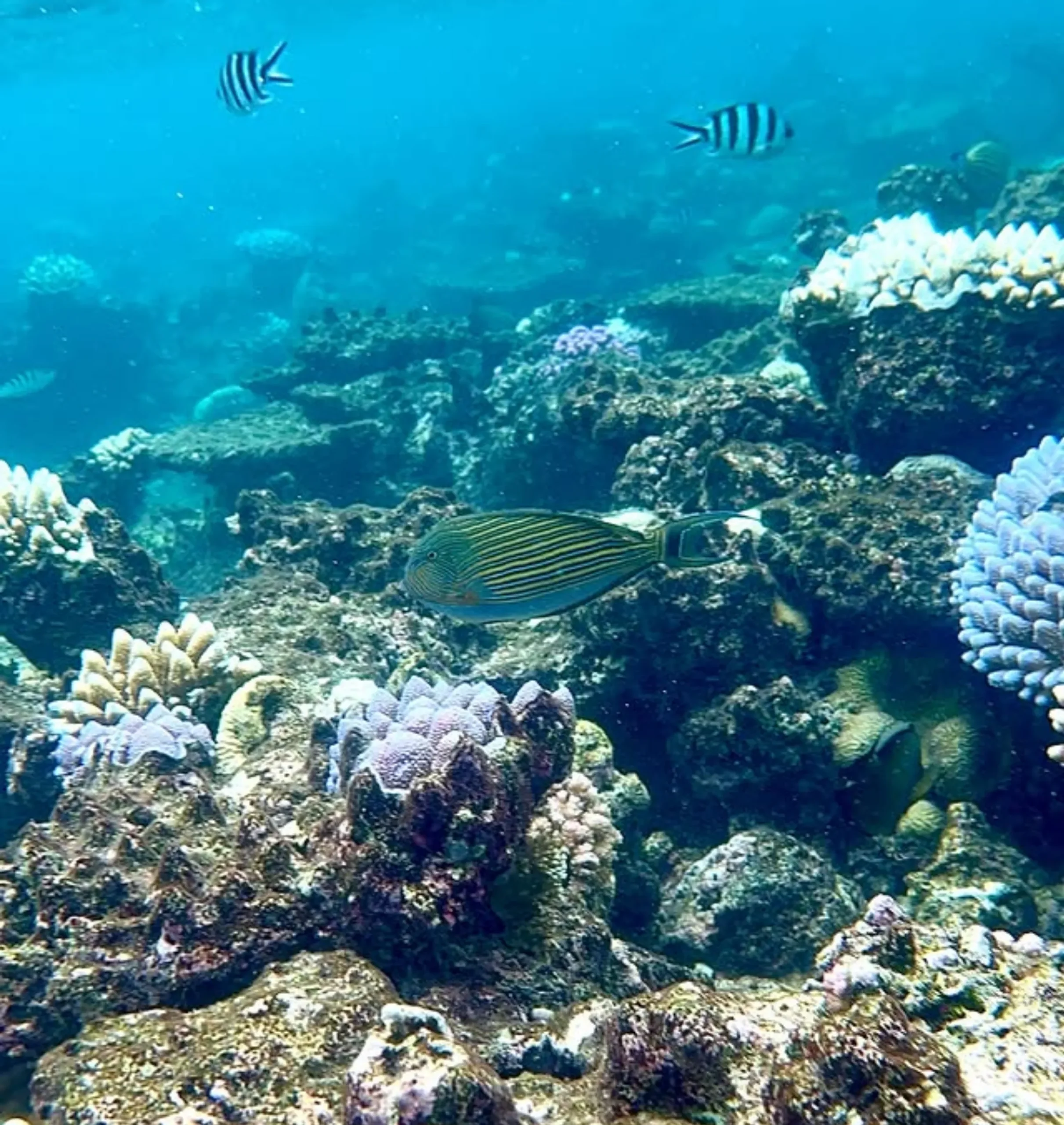
I remember guiding a group out on a reef trip — flat water, great visibility, perfect day. A small blacktip shark drifted underneath us.
Half the group didn’t notice.
One traveller asked if it was a shark or just a big fish. That was the extent of the drama.
No one panicked. No one rushed for the boat. It just passed through and disappeared into the reef.
That’s the reality — quiet, brief, and often underwhelming compared to what people imagine.
How Safety Is Managed Behind The Scenes
There’s a lot happening in the background to keep things running smoothly.
Before you enter the water, you’ll get clear safety instructions and safety guidelines. These aren’t just for show — they’re based on years of operational experience and environmental knowledge.
You’ll be fitted with snorkel equipment or snorkelling equipment (same gear, just depends who you ask), and if you’re not confident, life jackets are available to help you float comfortably.
During marine stinger season, you’ll wear a protective suit — standard practice across the reef.
Guides are always nearby. Trained snorkel guides keep an eye on the group, and boats carry Advanced First Aid kits as part of standard procedure.
What Actually Steals The Show Out There
Here’s the thing — sharks aren’t the highlight.
You’ll be far more focused on:
- Fish moving through coral formations
- The structure of the coral reef beneath you
- The feeling of floating in clear, open water
If you’re lucky, you might spot manta rays gliding past — one of those moments that sticks with you long after the trip ends.
In other parts of Australia, like Ningaloo Reef and Coral Bay, travellers specifically seek in-water interactions with whale sharks. That’s a completely different setup, but it shows how diverse these reef environments are.
Seasonal Conditions And What They Change
Seasons shape your experience more than shark presence ever will.
Dry season (May to October) offers clearer water and calmer conditions — ideal for snorkelling. Wet season (November to April) brings warmer water and occasional reduced visibility, along with the marine stinger season.
Environmental factors like coral bleaching do affect sections of the reef, but ongoing monitoring — including satellite tagging of marine species — helps track and manage these changes over time.
Planning Your Day Without Overthinking It
You don’t need to overcomplicate this.
Book with reputable reef tour operators — Wildlife Tours is one example among many that operate within strict safety and environmental frameworks.
Pack reef-safe sunscreen to protect both your skin and the coral. Bring an underwater camera if you want to capture the moment — though half the time, people forget to use them because they’re too busy looking around.
If you’re prone to motion sickness, take seasickness tablets before boarding. Trust me, it’s better than trying to power through halfway out.
Some trips offer extras like a scenic helicopter flight or introductory scuba dive sessions, but snorkelling alone is more than enough for most travellers.
Clearing Up The Usual Shark Myths
Let’s keep this simple.
Sharks are not circling snorkellers. They’re not waiting around popular sites. And they’re not interested in you as food.
Most encounters are cases of coincidence — you happen to be there, and so does the shark.
Normal snorkelling behaviour doesn’t trigger feeding responses. Calm movement, group presence, and clear water all reduce any perceived risk.
Why Sharks Matter To The Reef
Here’s the part most people don’t think about — sharks are a sign of a healthy system.
They help regulate fish populations and maintain balance within biodiverse ecosystems. Without them, things start to shift in ways that aren’t good for the reef.
So if you do spot one, it’s actually a positive sign — the ecosystem is functioning as it should.
Final Word From Paul: Worth It Or Not?
Absolutely worth it.
If fear of sharks keeps you out of the water, you’ll miss one of the best experiences Australia offers. I’ve seen it time and again — travellers arrive nervous and leave wondering why they ever worried.
The reality is simple:
- Shark sightings are uncommon
- Risk is extremely low
- The experience is calm, controlled, and unforgettable
You’ll spend more time adjusting your mask than thinking about sharks.
A Final Note On Trustworthy Advice
Everything here comes from real, on-water experience and follows a people-first approach — practical, accurate, and built to help you make confident decisions without second-guessing.
FAQ
Do sharks regularly swim through snorkelling areas?
No. Most popular snorkelling sites are not typical shark zones, especially during busy periods.
What’s the safest reaction if one appears nearby?
Stay calm, float still, and observe from a distance. The shark will almost always move on.
Are guided trips safer than going on your own?
Yes. Guided trips operate under strict safety guidelines and use well-known, monitored locations.
Does wearing a life jacket improve safety?
It helps with buoyancy and keeps your movement calm, which is ideal for beginners.
Are certain months riskier than others?
No significant difference in shark activity. Seasonal changes affect visibility and stinger presence more than anything else.