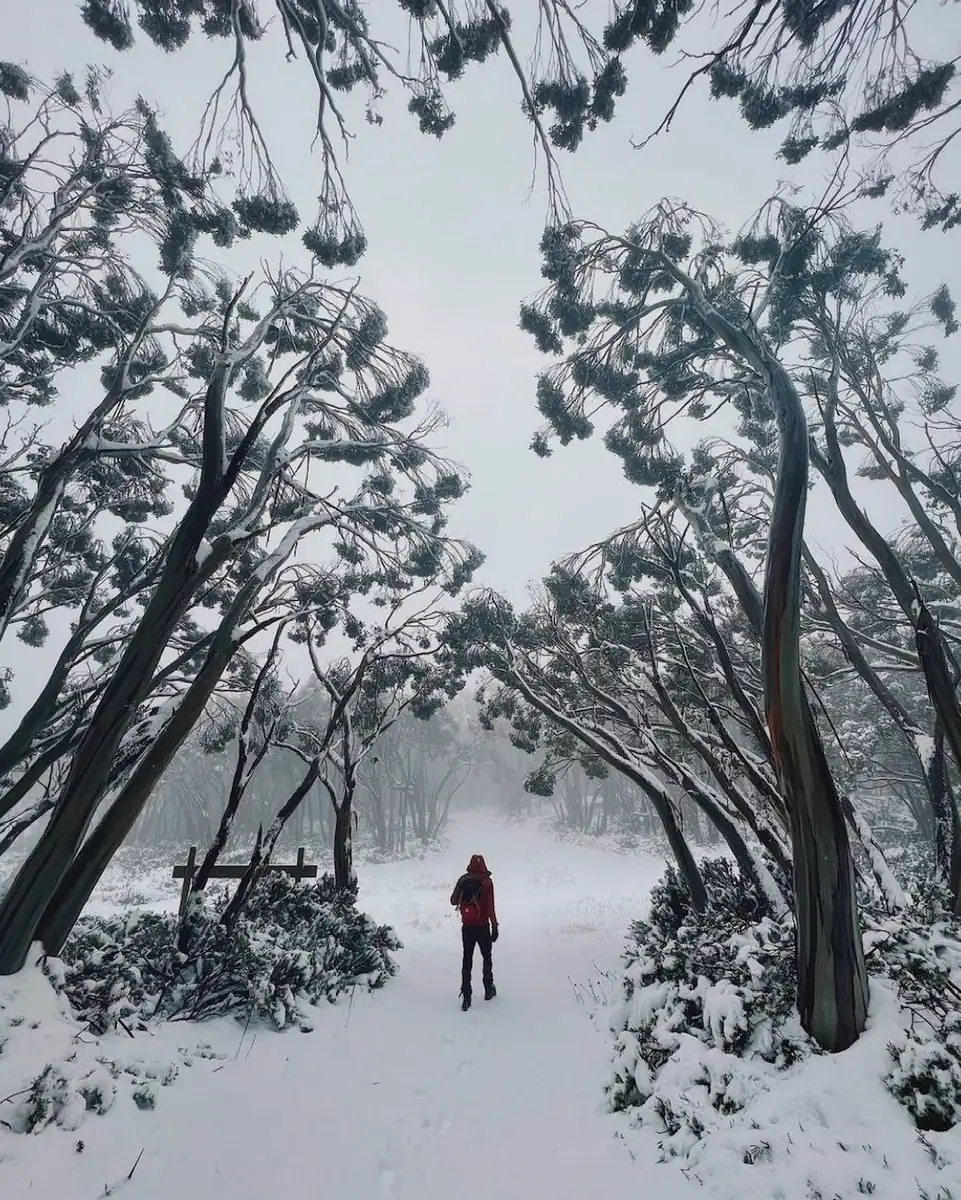
How and where to find snow in the Otways is one of those questions that sounds simple—but in reality, it’s all about timing and expectations. Yes, snow does fall across the Otway Ranges and parts of the Great Otway National Park, but it’s usually a light dusting of snow or patchy frost, not the deep cover you’d see at Mount Hotham or Mt Buller.
I’ve been chasing the snow through the Great Ocean Road area for years, often doing a Great Ocean Road trip run and here’s the truth: if you get the weather forecast right, keep an eye on the snowline, and get there at the crack of dawn, you’ve got a pretty good shot. But if you miss that window, you’ll just be standing in the rain trying to work out what all the fuss is about.
Track Down The Coldest Corners Of The Otways
It’s not just a case of heading into the bush and going for it – it’s knowing where the cold actually settles. Coastal spots along the road or near the Southern Ocean are always too mild; you need to push inland, higher, and into some real forest.
Lavers Hill And The High Ground
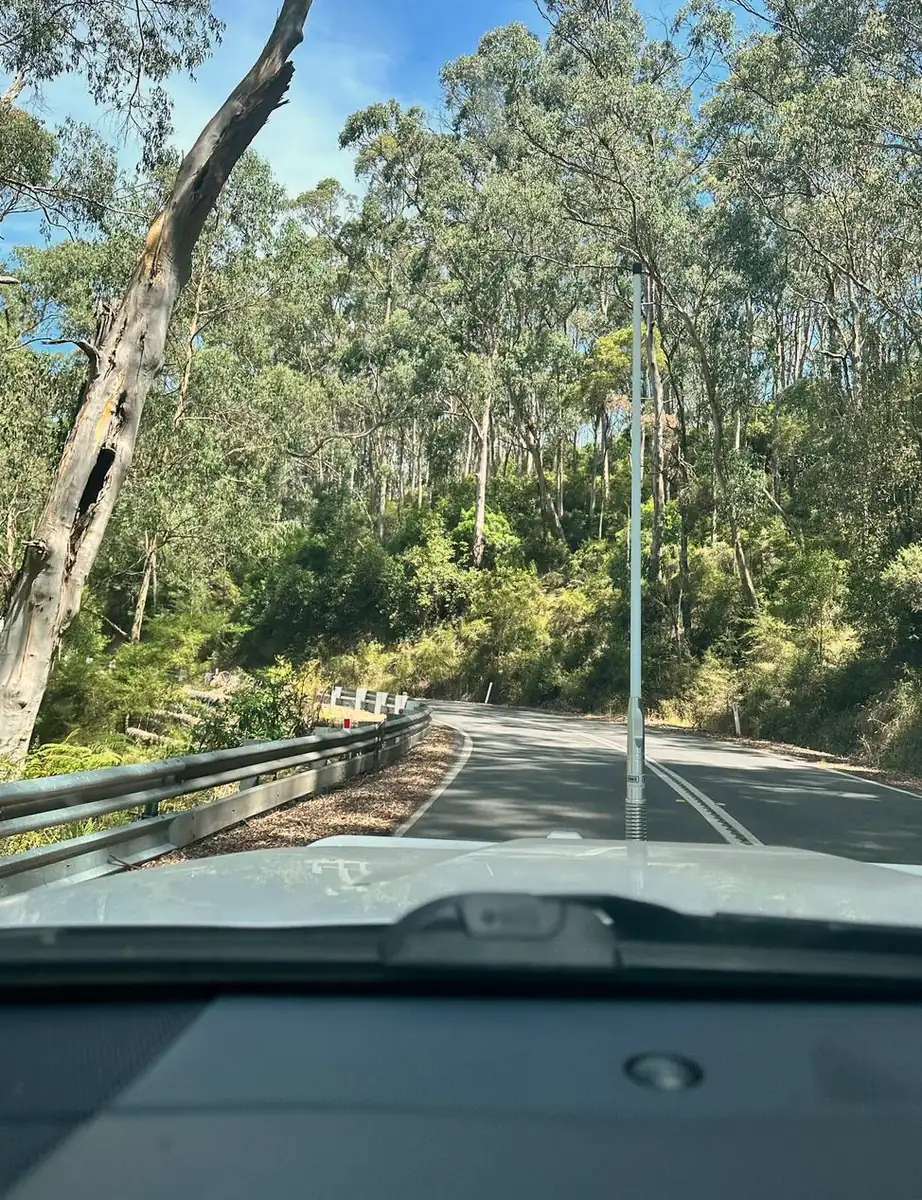
Lavers Hill is perched at one of the highest accessible points in the region and is my first port of call – whether I’m self-driving or running a Great Ocean Road tour. The roads are mostly bitumen, so even in winter, access is no issue. When the conditions line up, you’ll see frost on the ground and sometimes that whispy bit of snow that disappears by mid-morning.
Beech Forest, Melba Gully, And Deep Rainforest
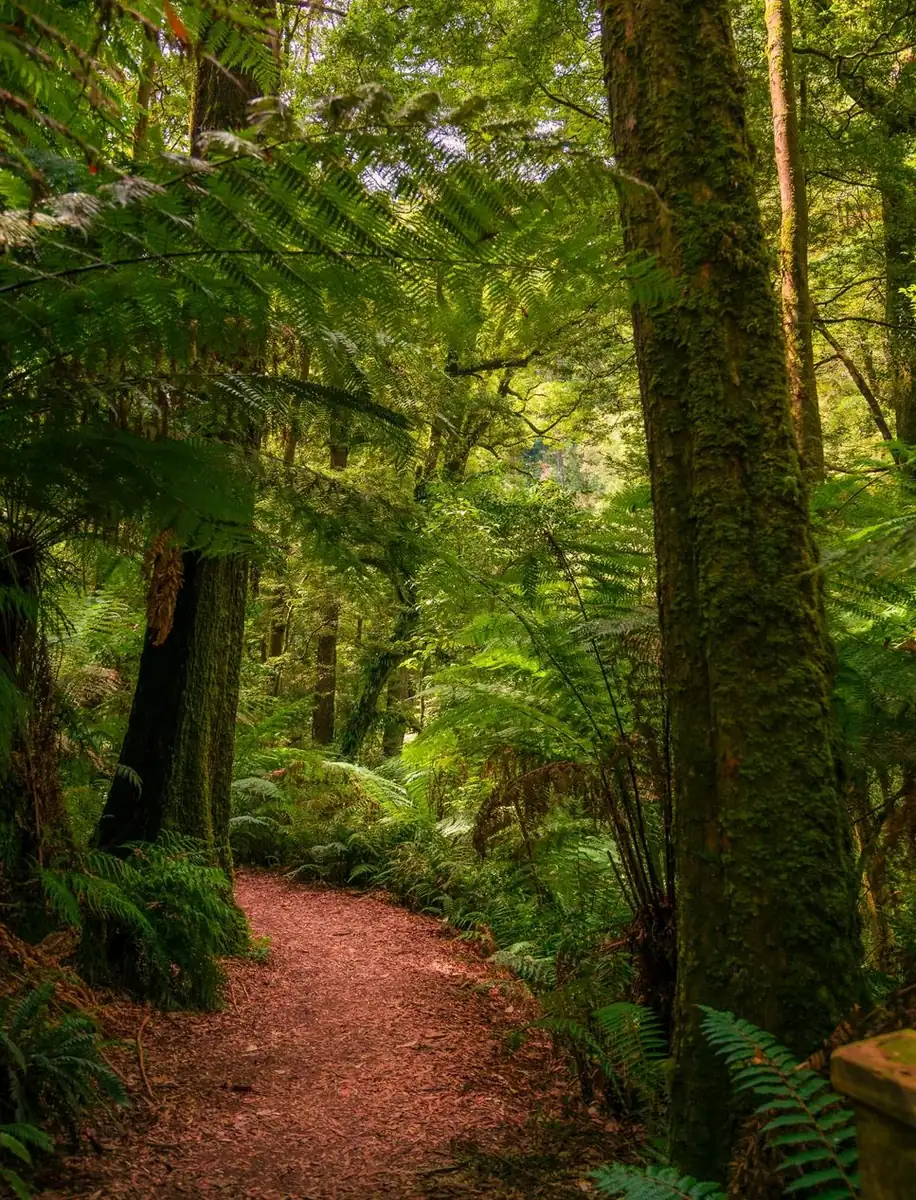
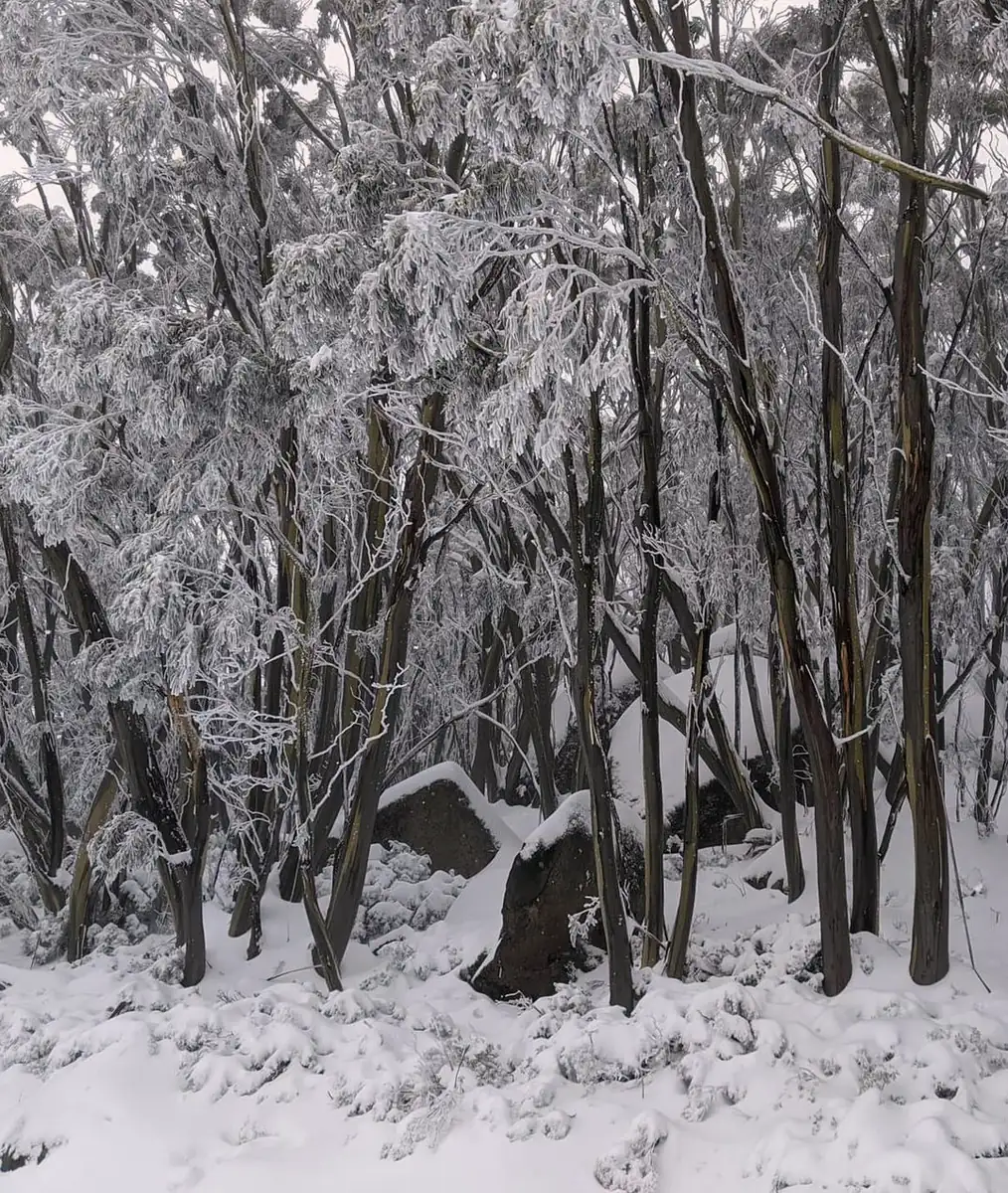
Further inland, around Beech Forest and Melba Gully, you’ll find the temperate rainforest starts to create its own little cold pocket. You’ll get white mist, damp air, and ground that’s colder than you’d expect. Snow here tends to be pretty subtle, caught on leaves, or tucked away in shaded gullies – but it’s still pretty atmospheric.
Roads That Give You Better Odds
Routes like Benwerrin-Mt Sabine Rd, Deans Marsh- Lorne road, and bits of Erskine Falls Rd cut through higher country – and with the right conditions can deliver. Even bits of Turtons Track (with a few gravel bits) can bring in the white stuff if the stars are aligned – but always check the road before you head in.
If you are doing a Great Ocean Road tour out of Melbourne, ask if they actually go inland in winter – most don’t because it’s just not their thing – which is why going solo or with someone who knows what they are doing – a specialist operator like Autopia Tours – can make all the difference.
Time Your Visit Like A Local (Not A Tourist)
Snow in the Otways is a fleeting thing; you need to think less holidaymaker and more “chasing a weather event” – it’s not something that hangs around.
| Factor | What You Want | Why It Matters |
|---|---|---|
| Season | June–August | Coldest period |
| Snow level | Below ~500–600m | Required for Otways snowfall |
| Cloud Cover | Moderate overnight | Traps cold air |
| Relative Humidity | High | Supports snowfall |
| Time of day | Dawn | Snow melts quickly |
Check the Bureau of Meteorology and really dig in on the Forecast System. You know you’ve got a cold front coming your way with low temps and moisture – that’s your warning sign.
The thing that gets most people wrong is showing up too late. I’ve seen people just rolling in mid-morning during a Great Ocean Road trip, only to find that the snow’s already gone. Before you know it, you’ve had a sleep-in, grabbed a coffee in Apollo Bay, and you’ve missed it.
Know What You’re Actually Looking For
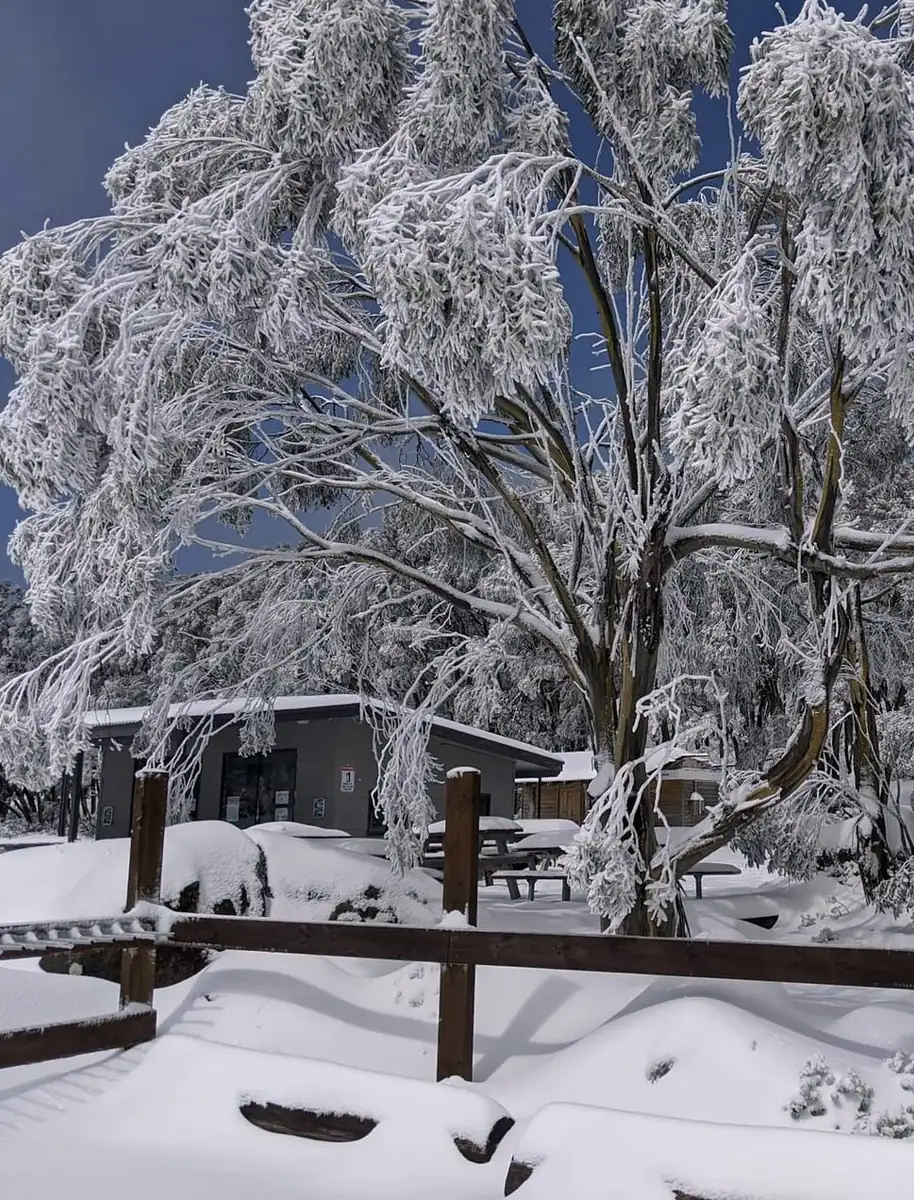
It’s human nature to have high expectations – and that can be the trip-maker. The Otways aren’t some fancy alpine ski resort with all the trimmings. There aren’t any resort facilities, groomed trails, or snow park set-ups to speak of.
What you’re actually chasing is pretty subtle. A light dusting on the roadside. Frost clinging to ferns. The whole forest just sort of faded into the mist. It’s a totally different vibe from places like Mt Baw Baw, Lake Mountain, or Mount Donna Buang, which are all about the cross-country skiing and snow play. Here, it’s all about the atmosphere.
I remember once I pulled up near Lavers Hill after leading a group through a standard Great Ocean Road tour and had done everything by the book. The whole place had this sort of silver-white sheen – but then it all melted away within an hour. That’s the Otways for you: short, sharp, and well worth the effort.
Plan The Trip Without Overcomplicating It
You don’t need some super-complex itinerary – but you do need to be flexible. That’s the difference between actually seeing snow and missing out entirely.
Track the weather forecast a few days ahead of time. If temperatures are dropping and the snow forecast looks good, keep your plans loose.
Base yourself somewhere that makes sense. Apollo Bay is a good choice if you’re pairing the trip with some coastal stops, while inland bases put you closer to where you want to be.
As far as navigating, Google Maps is okay – but download some offline maps too. Cell signal disappears fast once you’re deep in the park.
If you’re the type that doesn’t like to plan much, some people just book a tour with Autopia Tours, especially in winter, because they adjust their routes based on conditions rather than sticking to some rigid coastal highlights tour.
Driving Conditions And Access Reality
Getting into the Otways is pretty easy, but winter throws in a few curveballs.
The roads are mostly all sealed, but you’re looking at tight corners, a bit of dampness, and possibly some debris. And then of course there’s the fog – it rolls in really quick and thick, especially around the higher elevations.
You’ve also got to watch out for wildlife in the morning – so keep your eyes up. You don’t actually need All-wheel drive in standard conditions, but a bit of patience and a steady approach wouldn’t go amiss.
Whether you’re on a Great Ocean Road day trip or stretching it out into a longer drive, just make sure you’ve got some extra time set aside. Winter roads slow things down.
Costs, Gear, And What You’ll Actually Use
This isn’t a high-cost adventure, but the right gear makes all the difference.
| Item | Typical Cost (AUD) |
|---|---|
| Fuel (return trip) | $60–$120 |
| Accommodation options | $120–$300 per night |
| Meals | $15–$30 |
Clothing essentials matter more than anything else. Layer up properly, bring a waterproof jacket, and wear solid shoes. You’re not stepping into a full-blown winter wonderland, but it’s still cold enough to bite.
Conditions That Can Turn A Good Trip Sour
Winter in Victoria’s national parks is no pushover – you’ll need to show it some respect.
I mean, tracks around waterfalls, especially the ones you can walk on in Otways Walks, can get mighty slippery. Before you know it, the wind can start picking up, pushing on into some pretty strong gusts – and don’t even get me started on how quickly the weather can change, going from blue sky to thick fog in just a few minutes flat.
Stick to the marked trails, check the latest from Parks Victoria before you head out, and don’t assume conditions will stay the same all day.
Quick Planning Scenarios That Actually Help
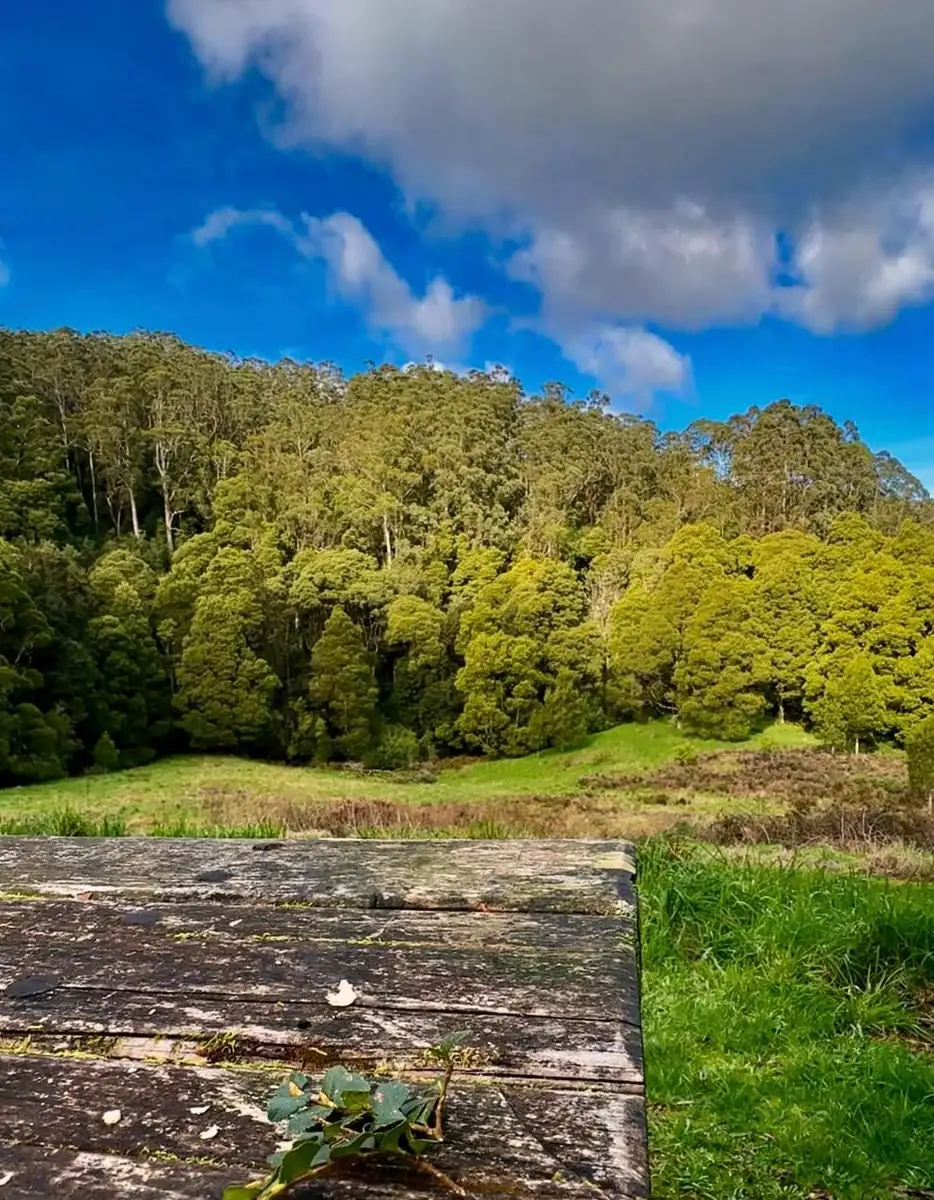
If you only have a single day, you’ll need to treat it like a proper mission. Get out of Melbourne before the sun rises, head inland early and focus on the section that runs from Lavers Hill to Beech Forest. This bit, in particular, offers amazing views and a chance to get moving before things get too crowded.
If you get to choose just one area, make it this corridor. It offers a great mix of elevation and access, which is exactly what you want from a winter trip.
If you are looking for some skiing or snow play, then just forget about the Otways – it’s not what they are about. Head to established areas like Falls Creek instead. If it’s some quiet winter moments you’re after, then the Otways are the perfect choice.
Final Thoughts From Paul — Is It Worth Chasing?
Snow in the Otways? It’s fleeting, unpredictable, a bit stubborn – but that’s exactly why it’s worth the effort of chasing after it.
You’re not going to come here expecting some fancy alpine village setup or a fully serviced resort. What you get is the mist creeping through the trees, the frost under your feet, and that rare moment when the whole forest is blanketed in white.
Plan it properly, keep an eye on the weather with the Bureau of Meteorology, and don’t just rely on your phone when the fog rolls in.
And if you miss the snow? Well, you’re still in for one of the best winter drives in Victoria. Whether you drive yourself or go with one of the more experienced operators like Autopia Tours, a well-timed Great Ocean Road trip is always a winner, regardless of what the weather throws at you.
FAQ
When does it usually snow in the Otways?
Snowfall usually occurs during strong cold fronts between June and August, especially when overnight temperatures drop to near freezing.
Which areas will give you the best chance of seeing snow?
Higher spots inland, like Lavers Hill and Beech Forest, are your best bet due to elevation and the colder microclimates they have.
Can you actually ski there?
No, you can’t. The Otways aren’t set up for skiing or snow play. Head to places like Mt Baw Baw for that kind of fun instead.
Are the roads safe to drive in winter conditions?
Yes, quite a few of the roads are sealed, but fog, wet surfaces and the odd wildlife can all catch drivers out – especially early in the morning.
Is it still worth visiting without the snow?
Absolutely. The winter atmosphere – the mist, the rainforest, the quiet tracks – makes the place just as rewarding, snow or no snow.