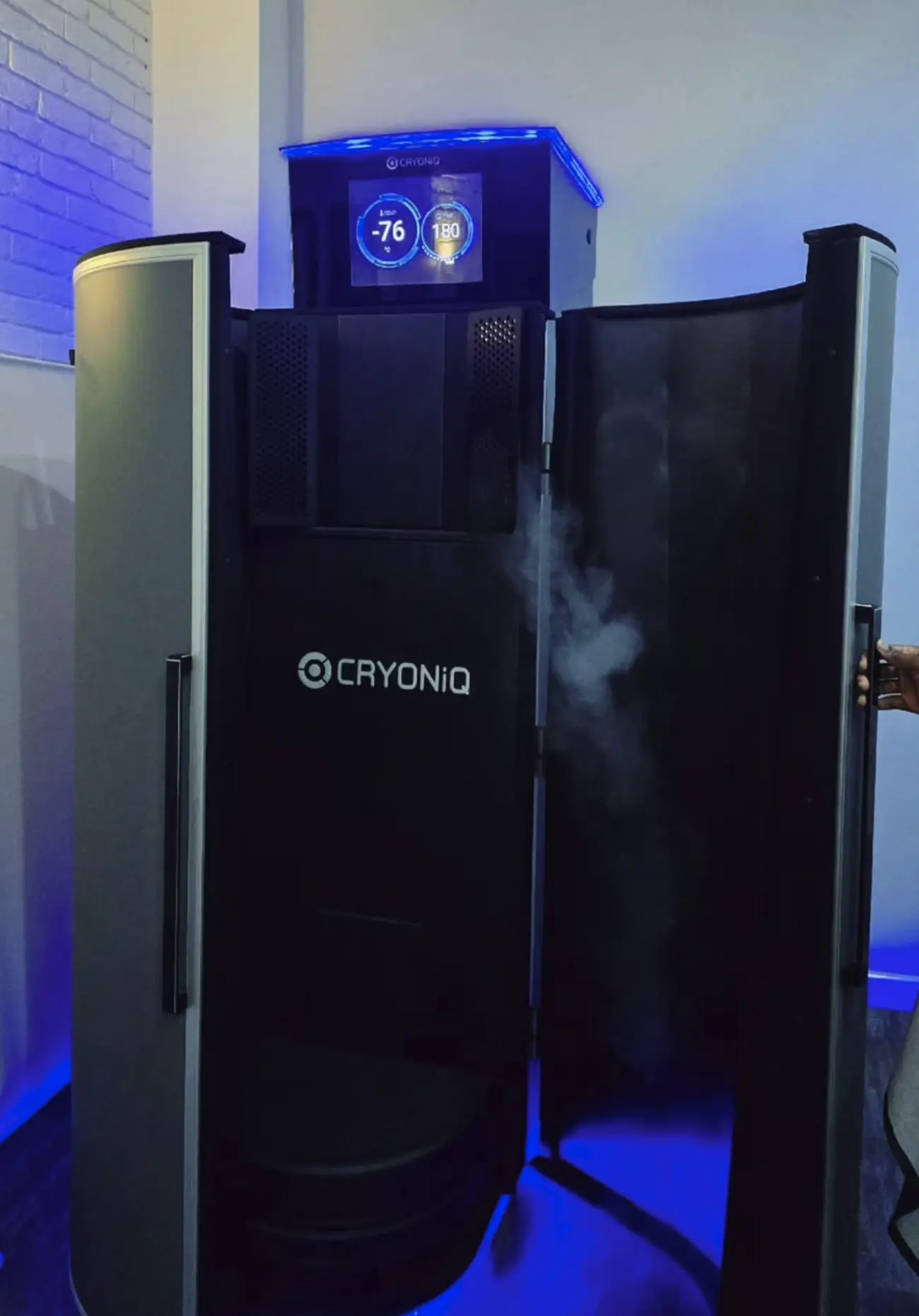
Protocol for contrast therapy: sauna first or cryo first? It is a question I get all the time in the treatment room at The Facial Hub when clients come to us looking for help with recovery, skin health, and just plain old well-being. The simple answer is usually: start with a heat session (sauna) and finish with cold (cryo) – but the real value is in understanding why that’s the best order, and how to make it work for you and your goals.
Let’s get down to earth and cut through the hype.
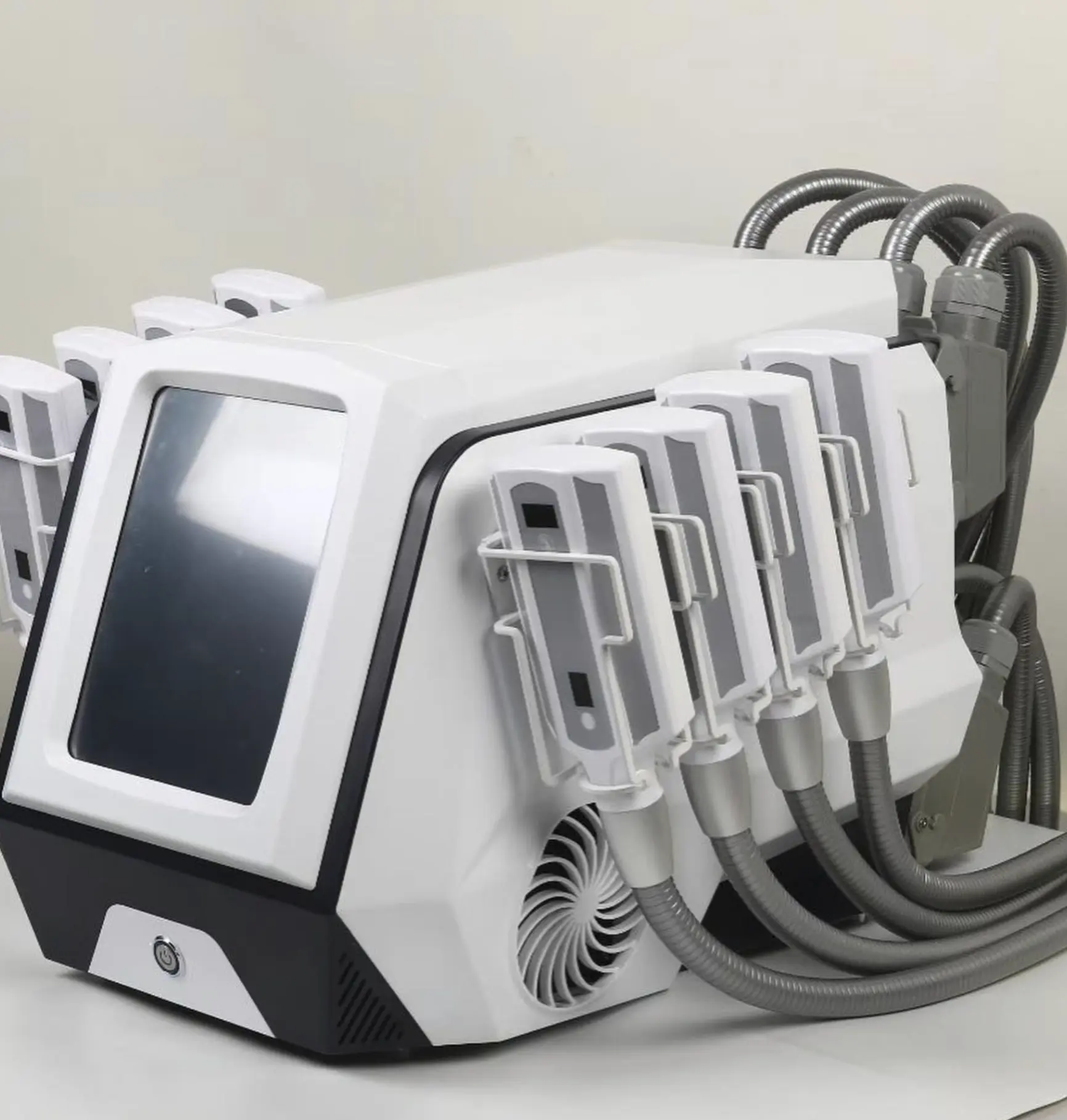
A Personalised Starting Point For Better Results
We’ve been using contrast therapy – or temperature therapy, to the uninitiated – for decades in recovery and wellness. What’s changed is how it’s being flogged to the masses. Nowadays, anything from an ice bath to a hot sauna session is being sold as a miracle cure for perfect health.
I see a lot of clients at The Facial Hub who fall into one of these two broad categories:
- Folks who are primarily using it for muscle recovery after a workout, looking to get back on with whatever their next session is.
- Those who are trying to get glowing skin, boost blood flow, and reduce stress are hoping to see some real benefits.
It doesn’t matter which camp you fall into – both will benefit from a good heat and cold protocol – but it’s all about the order you do it in that’ll make a real difference, or just leave you feeling a bit bewildered.
How Your Body Responds To Temperature Shifts
Contrast therapy isn’t magic – it’s just your body doing what it’s supposed to do when the temperature starts swinging.
In the sauna – whether that’s a proper hot sauna or an infrared one – your blood vessels go out and get all relaxed and expanded, which helps get oxygen-rich blood to all the right places and warms you up from the inside out. You’ll feel your body relaxing, slow your breathing down, and switch to a more chilled-out state.
When you go into a cold water bath or ice bath, things go the other way round. Your blood vessels constrict, your heart rate slows down, and your body sends out a quick little stress signal to the nervous system – which actually helps improve blood flow, gets rid of any lingering inflammation and generally helps ease that post-workout soreness.
Research done in the Journal of Strength and Conditioning Research (2023) found that contrast therapy can shrink the amount of muscle soreness you feel by a healthy 20-30% within 24 to 48 hours – and that’s compared to just doing nothing and waiting for it to sort itself out. In reality, that just means you get to enjoy the rest of your day, or the next few days, without being crippled by your last training session.
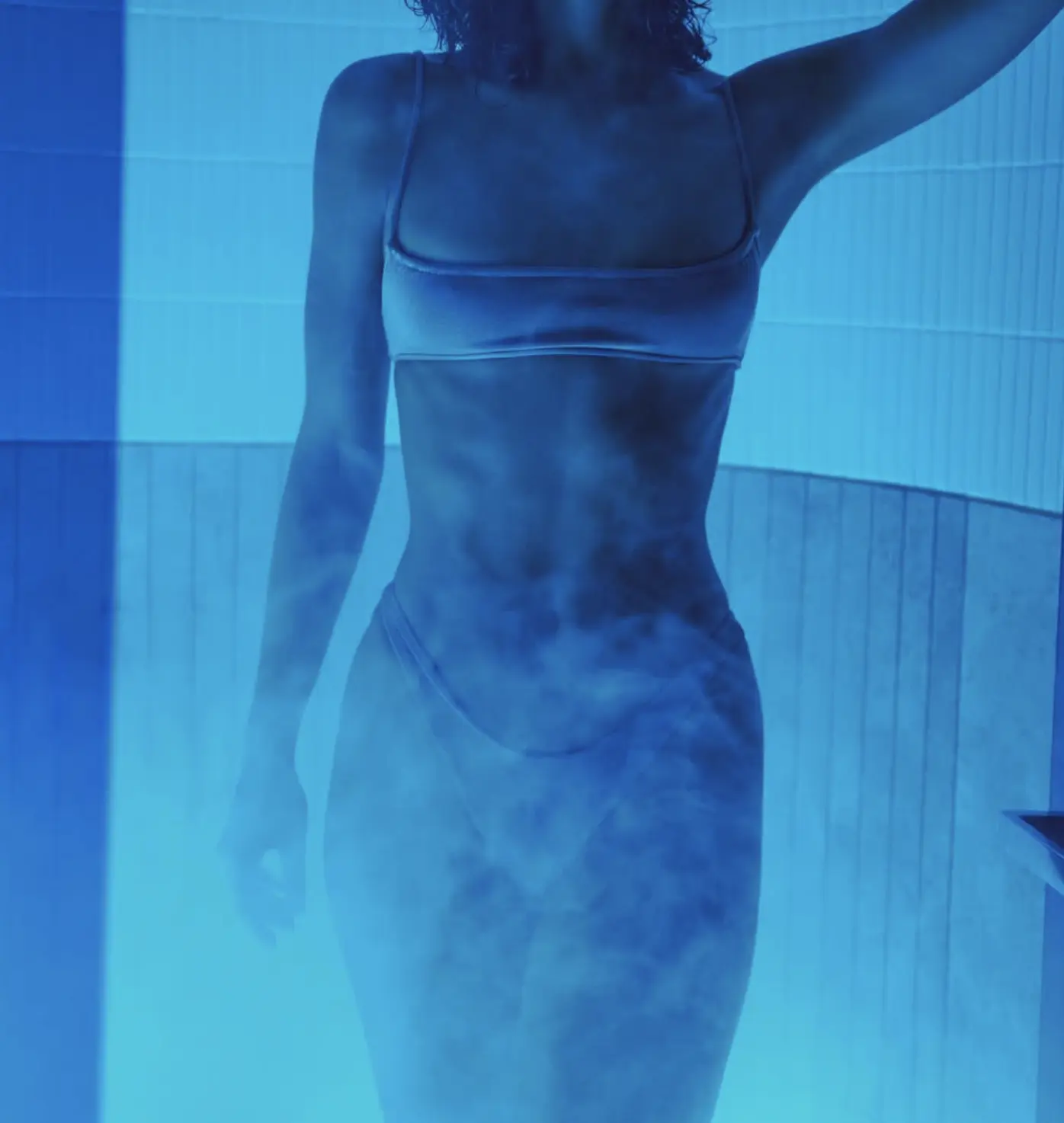
A Simple And Effective Session Structure
If you want a clear, effective structure, this is what I guide clients through at The Facial Hub.
Recommended Flow
| Step | Treatment | Duration | Purpose |
|---|---|---|---|
| 1 | Sauna (infrared or dry heat therapy) | 10–20 mins | Increase blood circulation, muscle relaxation |
| 2 | Rest | 2–5 mins | Stabilise heart rate and temperature control |
| 3 | Cryotherapy (cold plunge or ice bath) | 2–5 mins | Reduce inflammation, support pain relief |
| 4 | Optional repeat | 1–2 cycles | Enhance vascular and immune support |
Why This Sequence Works
Starting with heat:
- It’s a safe way to warm up your tissues
- It gets the blood flowing and loosens up your joints (helping with stiffness)
- It also kick-starts the production of something called heat shock proteins. Proteins are essential for repairing cells
Then finishing with cold:
- It helps bring down swelling and ease muscle pain
- It helps your nervous system find its balance
- You’ll leave feeling refreshed and mentally clear
In Brisbane’s humid climate, finishing with cold is a lifesaver – it’s a great way to reset that heavy, inflamed feeling many of our clients walk in with. This is exactly why cryotherapy in Brisbane at The Facial Hub is often the last step in our contrast therapy sessions.
Situations Where You Might Adjust The Order
There are certain situations where starting with cold instead might be the right call – let’s be honest, it’s not often.
Starting with a cold plunge might be better for:
- When you have a nasty injury, and you need to reduce the swelling quickly
- After a high-intensity workout, you need to reduce muscle soreness fast
- When you’ve got a lot of pain, and you need some quick relief
Cold exposure can do some amazing things – like:
- Reduce swelling fast
- Kick-start your immune system
- Activate brown fat, which can help boost your metabolism
But be careful – going straight to heat after can cause your blood vessels to reopen too quickly and end up making things worse if not timed right.
So this version of temperature therapy needs to be done:
- Briefly, not for hours on end
- With a focus on doing it right, not just winging it
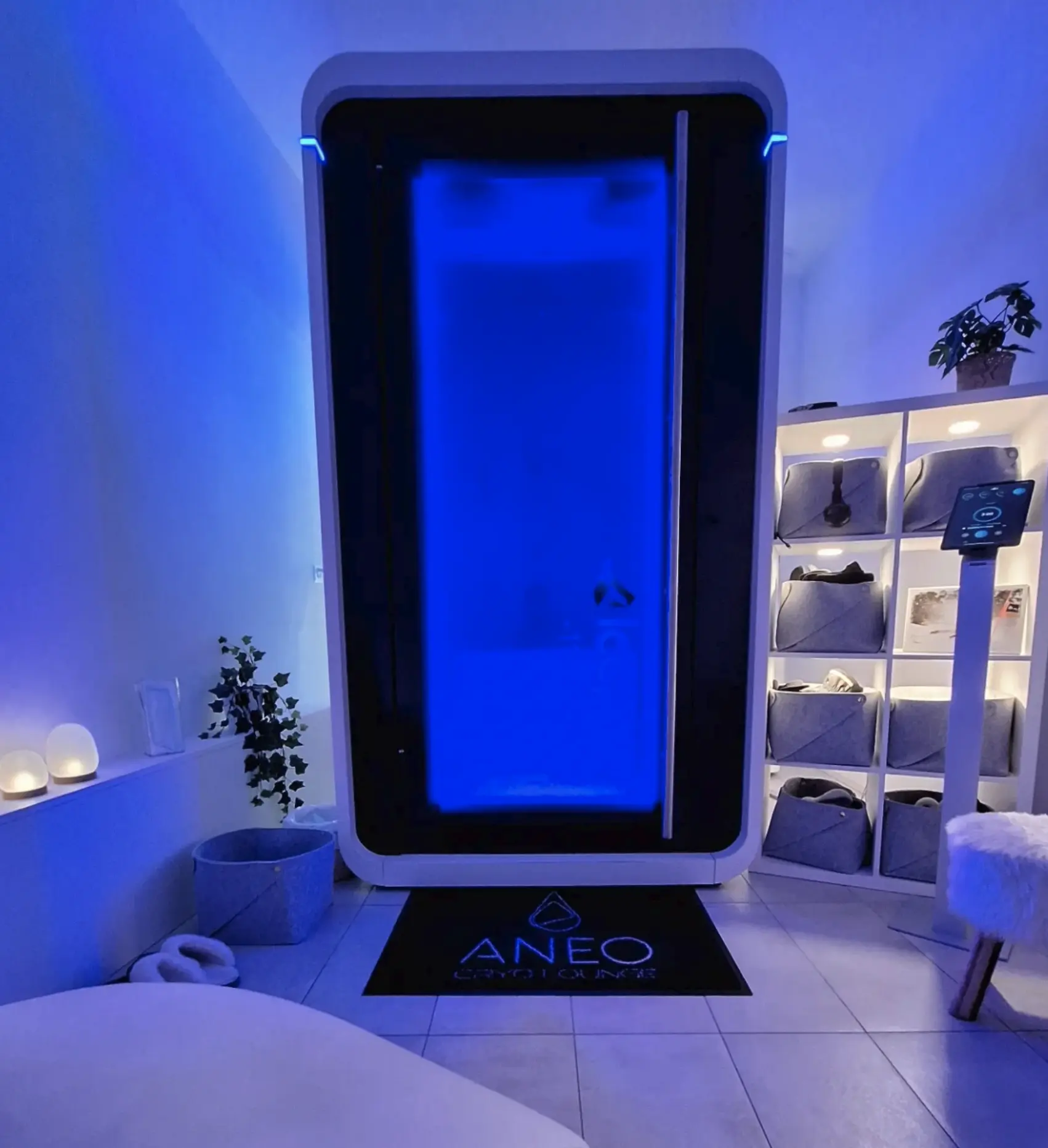
What I See In Skin And Wellness Outcomes
Beyond just recovery, contrast therapy has some amazing effects on your skin and overall well-being.
Circulation And Visible Glow
Heat gets the blood flowing down deep, delivering oxygen-rich blood to the skin. Then cold comes along and tightens everything up.
This leaves you with:
- Brighter, more radiant skin
- A temporary firmness and glow
- Skin that looks healthy and toned
Lymphatic Movement And Immune Support
The constant pumping action of heat and cold helps get the lymphatic fluid moving, which in turn supports:
- Reduced puffiness
- A stronger immune system
- Detox pathways that get things moving
Nervous System Balance
Alternating heat and cold helps regulate:
- Heart rate variability
- Your vagal tone
- stress levels
Clients often say they feel clearer, calmer and more grounded after a session – not just physically, but mentally as well.
Common Pitfalls That Limit Results
This is where I bring people back to basics, because more isn’t always better when it comes to contrast therapy.
One of the biggest mistakes is overstaying in either phase – a long sauna session can put too much strain on your cardiovascular system. At the same time, too much cold exposure can overwhelm your body.
Another common issue is rushing between heat and cold without taking the time to stabilise your body – a few minutes here and there to regulate your heart rate and temperature can make all the difference.
And finally, there’s the tendency to go for those extreme routines you see online – your body responds best when you listen to it and don’t push past your limits.
Safety Considerations Before You Begin
At the end of the day, your safety should always be the top priority when delving into something as intense as temperature therapy.
If you have a heart condition, unstable blood pressure, or super sensitive skin that gets hot-headed, you should probably think twice about getting into contrast therapy – or at least make sure you’re working with a pro. Pregnancy and any compromised skin barriers also require some extra TLC and maybe some professional guidance to boot.
Hydration, awareness, and knowing when to back off – those are the three key things to keep in mind. If you feel even the slightest bit lightheaded, or just get a general feeling of unease or fatigue, then trust your body – it’s telling you to give it a break.
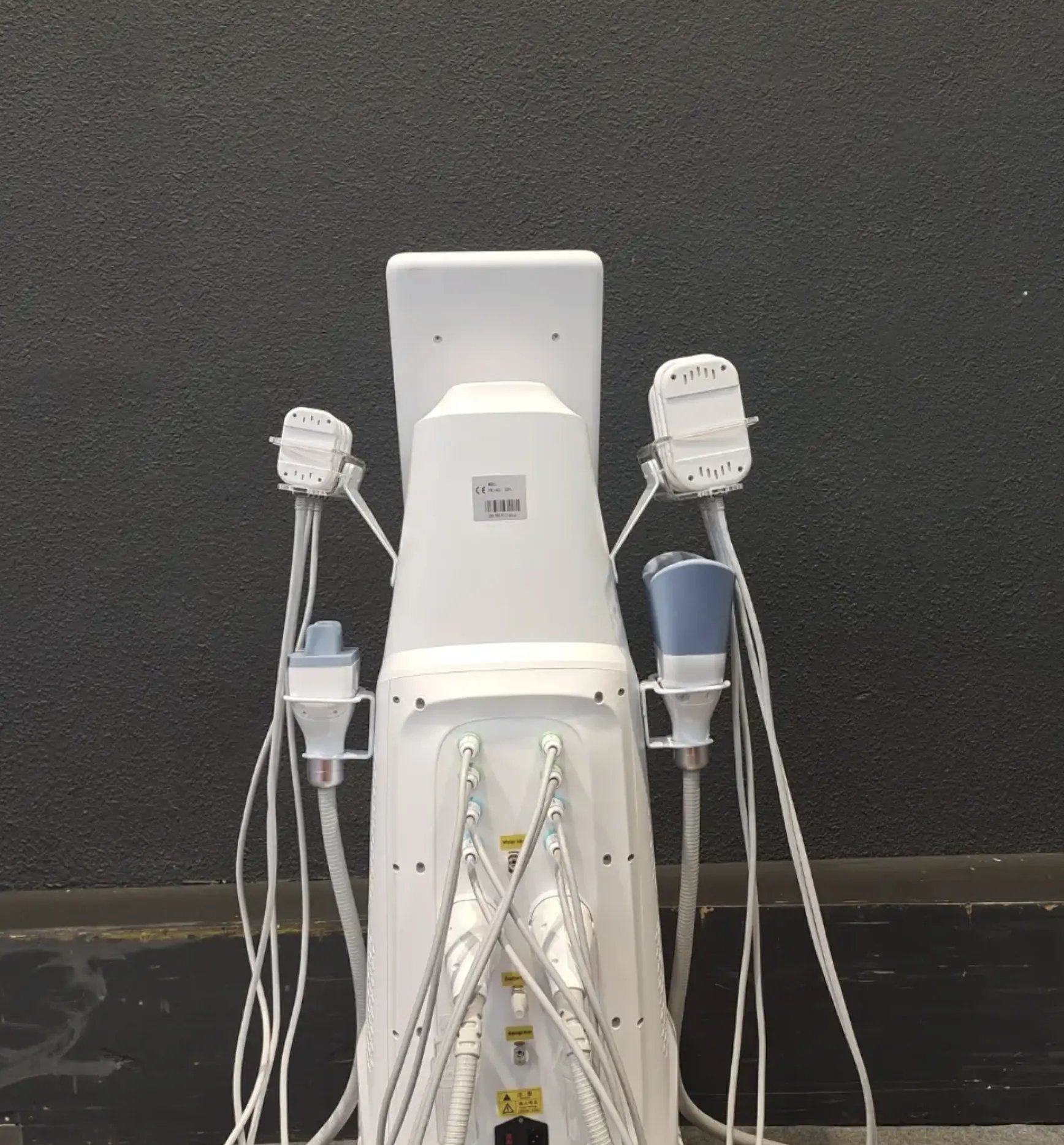
What’s Trending In 2026 — And What Actually Works
Contrast therapy is always evolving – but not every new fad is worth throwing your hat into.
Worth Paying Attention To
- Full-spectrum infrared sauna sessions for deeper heat penetration
- Integrated recovery spaces combining steam rooms, hot tubs, and cold plunge pools
- Add-ons like red light therapy to support collagen production
Best Taken With Caution
- Extreme cold exposure for rapid muscle growth (limited evidence)
- Daily ice baths for everyone — not necessary
- “Miracle detox” claims
The truth? Consistency beats intensity every time.
How I Approach It In The Clinic
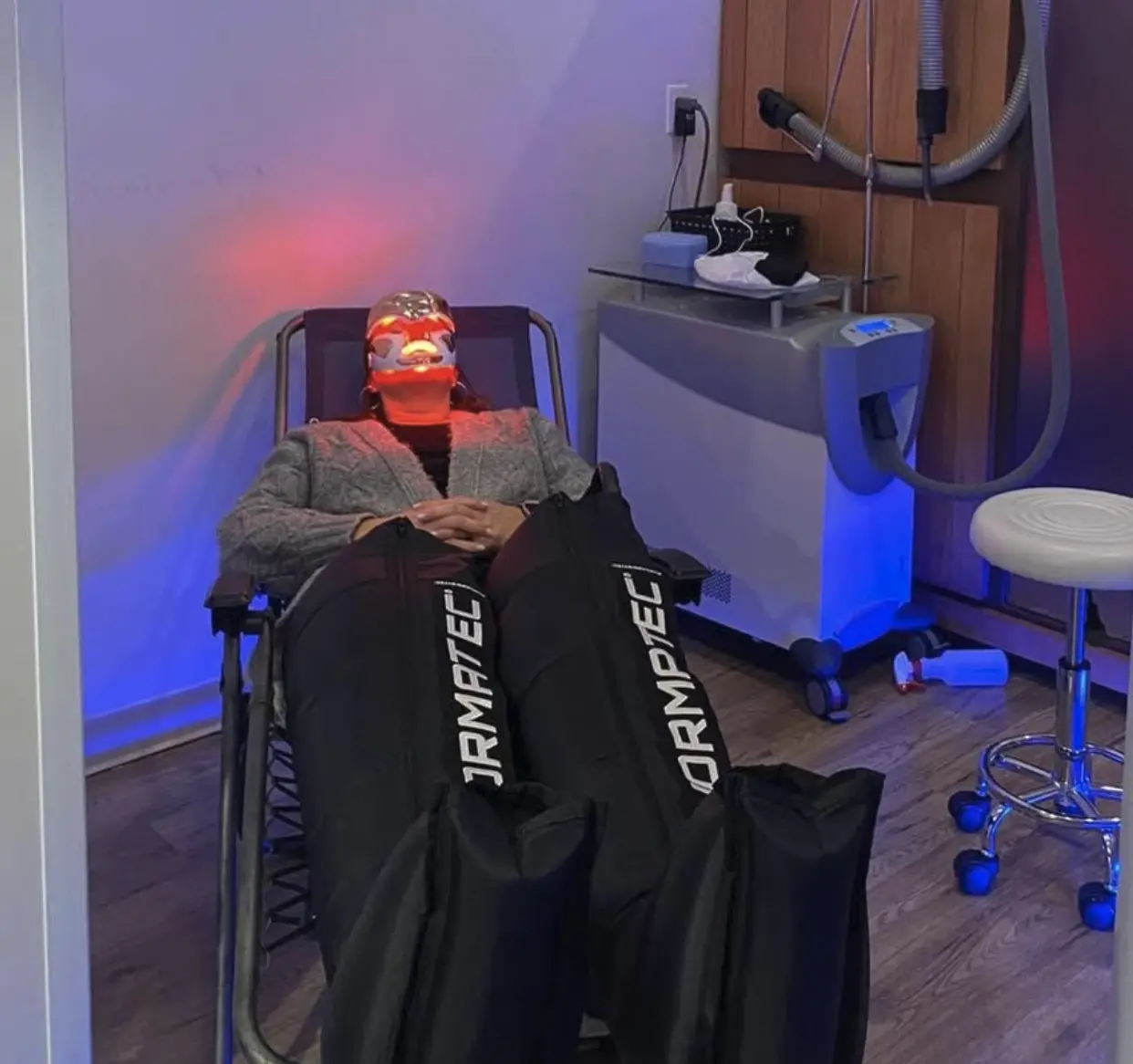
Here at The Facial Hub, I take a pretty gentle and bespoke approach to temperature therapy.
A typical session with me might involve:
- Infrared sauna to relax muscles and soften facial tension
- Facial massage to enhance blood circulation
- Short cold exposure to reduce puffiness and refine contours
It really comes in handy for people dealing with:
- Muscle soreness and tension
- Fluid retention – who wants to be bloated and puffy?
- Stress-related skin dullness – when life gets to you, it can get to your skin too.
And for a lot of our clients in Brisbane, popping into The Facial Hub for some cryotherapy has become a no-brainer, simple way to support their recovery and skin health.
It’s not about pushing yourself to the limit – it’s about finding a balance that works for you.
Final Thoughts — Creating A Routine That Works For You
Temperature therapy is one of those rare wellness practices that just really delivers when done right.
The safest bet is still to start with some heat and finish with some cold – that’s the tried and true method for getting the most balanced benefits. From there, it’s all about tweaking the timing, intensity and frequency to suit your unique needs.
Your body will always be talking to you – the trick is learning to listen.
FAQ
What sequence gives the best recovery benefits?
Starting with heat and finishing with cold is pretty much the best way to get that balanced effect on circulation, inflammation and the nervous system.
How long should each phase last?
Heat exposure tends to run around 10-20 minutes, while cold is shorter – more like 2-5 minutes – depending on how you’re feeling.
Can this routine support post-workout recovery?
Yeah, it can probably help reduce muscle soreness and improve blood flow, which makes recovery after exercise a heck of a lot easier.
Does it help with stress and mental clarity?
Alternating between hot and cold can actually be pretty good for regulating your nervous system, which can lead to better relaxation and a clearer head.
Is this suitable for everyone?
Not necessarily – people with cardiovascular issues, high blood pressure or super sensitive skin should probably cross-reference with a pro before diving in.